After listening to “1000 Words” from Final Fantasy X-2, I remembered something. In a lot of JRPG’s, they seem to use a musical piece as a plot device. In FFX-2, when Yuna sings this song to a crowd of people that had attended her concert, it summons the soul of Lenne, who is the deceased lover of the primary antagonist, Shuyin. It also caused the video screens that people were watching to show Lenne’s last memories, which were of her being brutally gunned down. She even sings the song in a duet with Yuna!
Final Fantasy X-2 – Yuna (Right) and Lenne (Left) sing “1000 Words”
Final Fantasy X-2 – “1000 Words” Scene
Final Fantasy X-2 – “1000 Words”
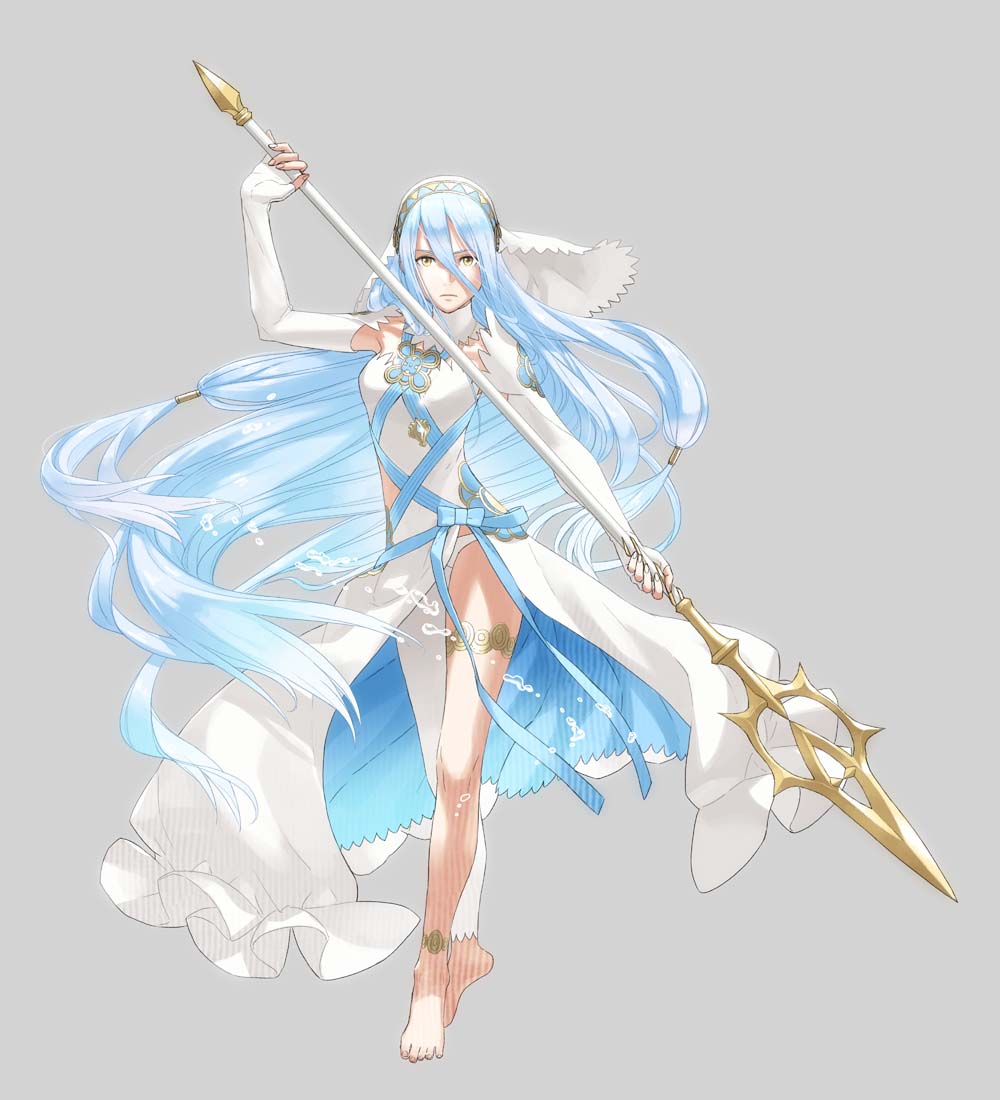
Another good example is Fire Emblem Fates, and the song “Lost in Thoughts All Alone”, which has a mechanical effect as well as having plot significance. The mechanical effect is that the singer (which would either be Azura, or her son Shigure) gives another character another action this turn. It’s plot significance is that it is a magical song, which has various powers over dragons, those who bear the blood of dragons, or those affected by draconic magic. It comes with a drawback though; if sung outside of the cursed land of Valla, it causes the singer to suffer incredible pain, and if the song is sung to completion, the singer can be seriously injured. (In the Birthright route, when Azura uses the song to completion against King Garon during the final chapter, she ends up disolving into water and slowly dies)
Fire Emblem Fates – Azura
Fire Emblem Fates – “Lost in Thoughts All Alone”
Music has also been used in the Legend of Zelda series extensivley, in games such as Ocarina of Time, Majora’s Mask, The Wind Waker, Oracle of Ages, Spirit Tracks, to name a few. In each, the musical instrument is the source of the magic, especially when paired with certain songs, which can have a large array of effects raging from Weather Manipulation and Transportation, all the way to Teleportation and Time-Travel!
Other games such as EarthBound and Pokémon have also had special musical effects, usually required to advance the plot, or access some important content.
Here’s the most recognisable peice of plot-rleated Zelda music:
The Legend of Zelda: Ocarina of Time – “Song of Time”
I’m debating whether to use Music as a plot device in my game, which although would require me to write it, it could prove to be interesting. If I have the time, as well as access to the right software and expertise, I may actually go with it. If not, I at least want to have some kind of music-based ability in my game. I find that it gives the player something memorable, which will make them remember the game. Serously, I have a hard time not crying when I hear the Orchestral Version of “1000 Words”!
Now this brings me to something that I’m going to have to look at: The difference between Diagetic and Non-Diagetic sounds. These are technical terms used in both the games and film industries, and they are used to denote whether or not the characters in the production are able to hear the sound. Diagetic sounds are audible to both the character and the audience, such as a door being slammed, the clashing of blades, or even character dialogue, whereas Non-Diagetic sounds can only be heard by the audience. An example of Non-Diagetic sound is the Avenger’s Theme from the Marvel Cinematic Universe.
Hopefully this has been interesting, and I hope to be back soon. So (quite literally!!) stay tuned!!!
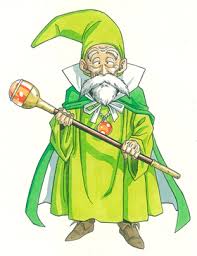
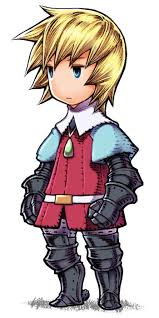
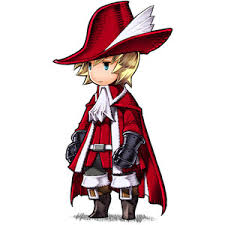
Over the last week or so, I’ve been trying to create some custom character sprites inspired by Final Fantasy Job Classes and Dragon Quest vocations. So far, I’ve been creating:
Freelancer
Warrior
Black Mage
Red Mage
Dragon Quest – Mage
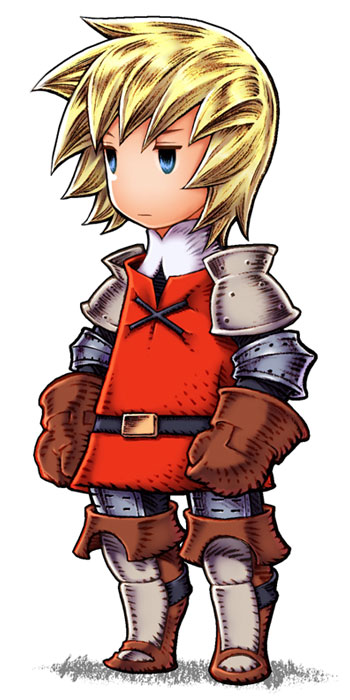
Final Fantasy III – Freelancer
Final Fantasy III – Red Mage
Final Fantasy III – Warrior
On a side note, keen readers will probably recognise the art style used in the Dragon Quest series. The artist is none other than AKIRA TORIYAMA, the creator of Dragon Ball, and Dragon Ball Z. He’s always been the series designer, and I even studied his work for my GCSE Art (many years ago).
My Mood Board helped me compare existing styles of charcater sprites, and see what sort of costumes have been used previously:
My 16-Bit Graphics Mood Board
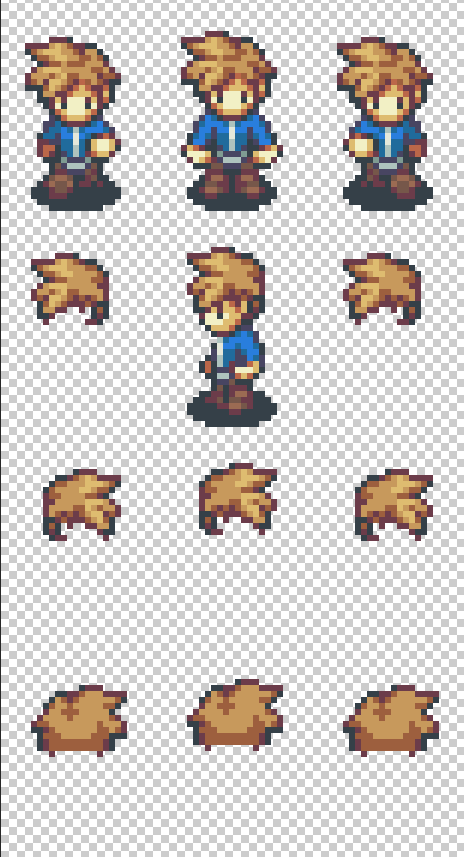
I started by making Tommyn‘s sprite, and I decided to make the hairstyle a bit more anime, as the game I’m trying to make is a JRPG; I thought it’d be more appropriate. I looked through my mood boards to get an idea of how I could anime-fy his appearance, and I came up with this after mush trial and error:
Freelancer
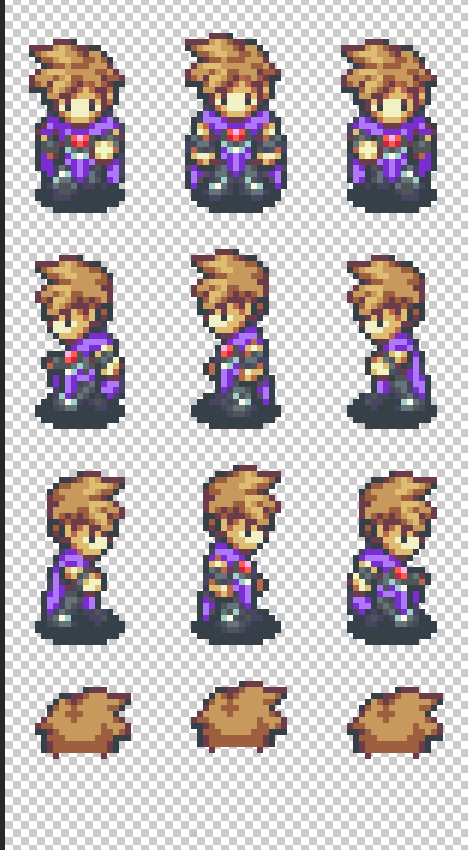
Mage
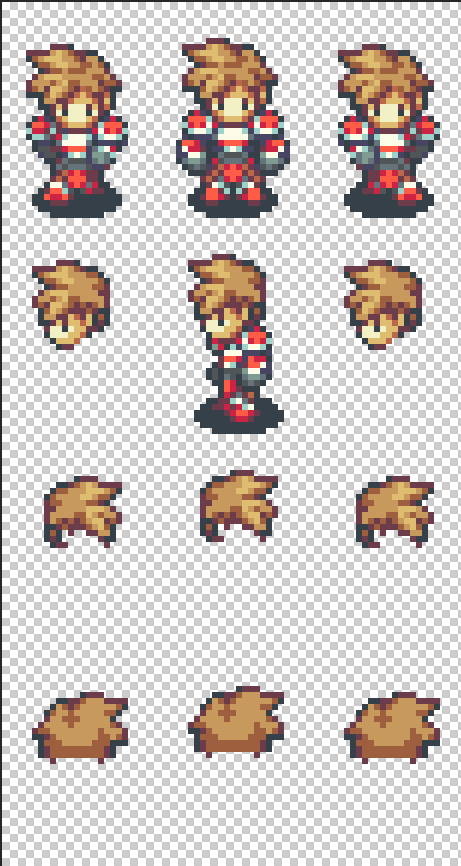
Red Mage
Warrior
I’ve nearly finished the Mage, although I’m having a bit of an issue with the rear angled sprite. The cloak appears to be a very 1980’s one, with wide shoulders, but I’m having difficulty making the cloak look right. The others need to be finished, but as only the Red Mage has a cloak, they shouldn’t be too difficult, although they’ll take a while. I don’t have a graphics tablet, you see, so I’m having to use mouse controls. It’s a right pain.
One thing I’m finding difficult is creating female sprites. I can’t seem to make them actually look female! That’s why I’m starting with a male sprite, to kind of get my eye in. Hopefully, I should be able to create a custom sprite for Jeanné, but to be honest, I’m nott looking forward to the hassle of making it!
There we go! I’ve actually started making stuff for my project!!! But there’s a few songs I listened to that have helped me get through this:
Final Fantasy X-2 – “1000 Words” (Pop Version)
Final Fantasy X-2 – “1000 Words” (Orchestral Version)
Grimgar: Ashes and Illusions – “Knew Day”
Fire Emblem Fates – “Lost in Thoughts All Alone”
As you may have guessed, music is a very important part of my creative process. It helps me think, clears my head, or just lets me relax. Anime and Game music in partcular is particularly evocative for me. Although I also like other types of music, when I’m creating game related content and material, I can only listen to this type of music.
Hopefully you like my work, and the music that I’ve posted here. I’m hoping to have some more stuff later on, so stay tuned!!!
So I woke up this morning, only to discover that my laptop had UNINSTALLED RPG MAKER MV!!! (Seriously unhelpful!!!) Trying to re-install it over the college wi-fi is also proving difficult, as it’s slow, unreliable, and blocks just about everything related to game design. Really, if the college is going to offer a Game Design course, they really should actually allow the students to access the required resources!
Then, all of a sudden, it decided to RE-INSTALL itself! What is up with my tech recently? Nothing seems to want to do what I want it to do. It’s so aggravating!
Anyway, this is just me having a quick rant. I’ll be back soon with some actual project related stuff, so stay tuned!!!
Over the last few days, I’ve been looking at colours. Specifically, I’ve been looking at colours I could use as part of my character designs. Starting out with hair colours, I created some colour bars for the four shades of natural hair; Brown, Blonde, Black, and Red. Some of them are quite surprising;
Black Colour Bar
Blonde Colour Bar
Brown Colour Bar
Red Colour Bar
The black colour bar actually appears mostly blue, but thats due to how the eyes actually percieve colour. I couldn’t use black and greys, as they wouldn’t show up terribly well on 16-bit spritesheets. However, blues can appear to be black depending on the saturation.
The other three colour bars are fairly normal, although the upper end of the reds includes some yellow tinges.
Now, as this is going to be a JRPG, I could potentially explore more varied hair colours such as green and pink, but I’ll get to them in a bit. That’s it from be for now, but I’m hoping to have more soon. Until later!
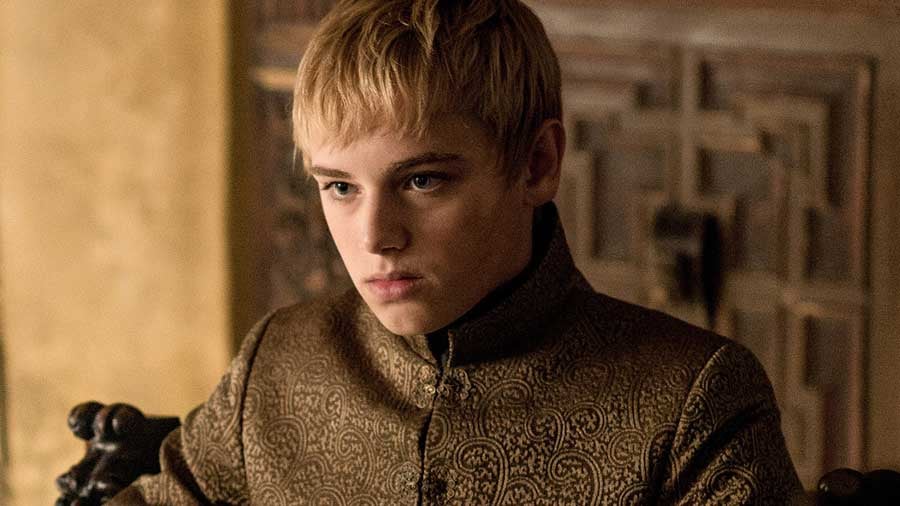
For a second protagonist, I decided to model them off of Tommen Baratheon from “A Song of Ice and Fire” (Game of Thrones):
Tommen Baratheon
There was a particular reason I chose this character; he’s remarkably interesting. He starts off being overshadowed by his older, phychotic brother Joffrey, but grows into a well developed and intelligent person. Unfortunately, when his own mother murdered his wife (and burnt down half of the capital city), he jumped out of a window to his death.
Hopefully, my own character won’t end up going down that same route! I don’t want to add too many spoilers, as I don’t want to ruin the series for those who haven’t watched it.
Also, he’ll act as a foil for Jeanné, my other protagonist, as I can incorporate aspects of people I know into some of his mannerisms. The reason I’m doing this is that Tommen Baratheon is only a main character for about one season, before he commits suicide, so I’ll need to pad it out with something. I’ve also decided on a minor name change for my character, so instead of being Tommen, it’ll be Tommyn. Not a major difference, but I thought it’d help differenciate him a bit.
I added elements from my own personality into the character, to make him a little less tragic.
I know this design was a little sparse in places, but I wanted to see how I could develop Tommyn in relation to Jeanné, as they are the two playable characters in the early part of my game. I also wanted t make him balance her out from a gameplay standpoint, as she’s more magic-focused, he can be more physically-orientated. It keeps them feeling distinct when you play them.
I’m gonna get on with making some bits now, so I’ll see you later!
Bibliography:
HBO. (2019). Game of Thrones – Official Website for the HBO Series – HBO.com. [online] Available at: https://www.hbo.com/game-of-thrones [Accessed 11 Apr. 2019].
Now, I want to clear something up; I’ve received comments that I’m making a psuedo-historical game about Jeanné d’Arc. I’m not. I’m just using her as inspiration for my primary character. In fact, the only reason I thought of using her was because I’d watched Fate/Apocrypha on NETFLIX. I liked the character, so I wanted to draw from it.
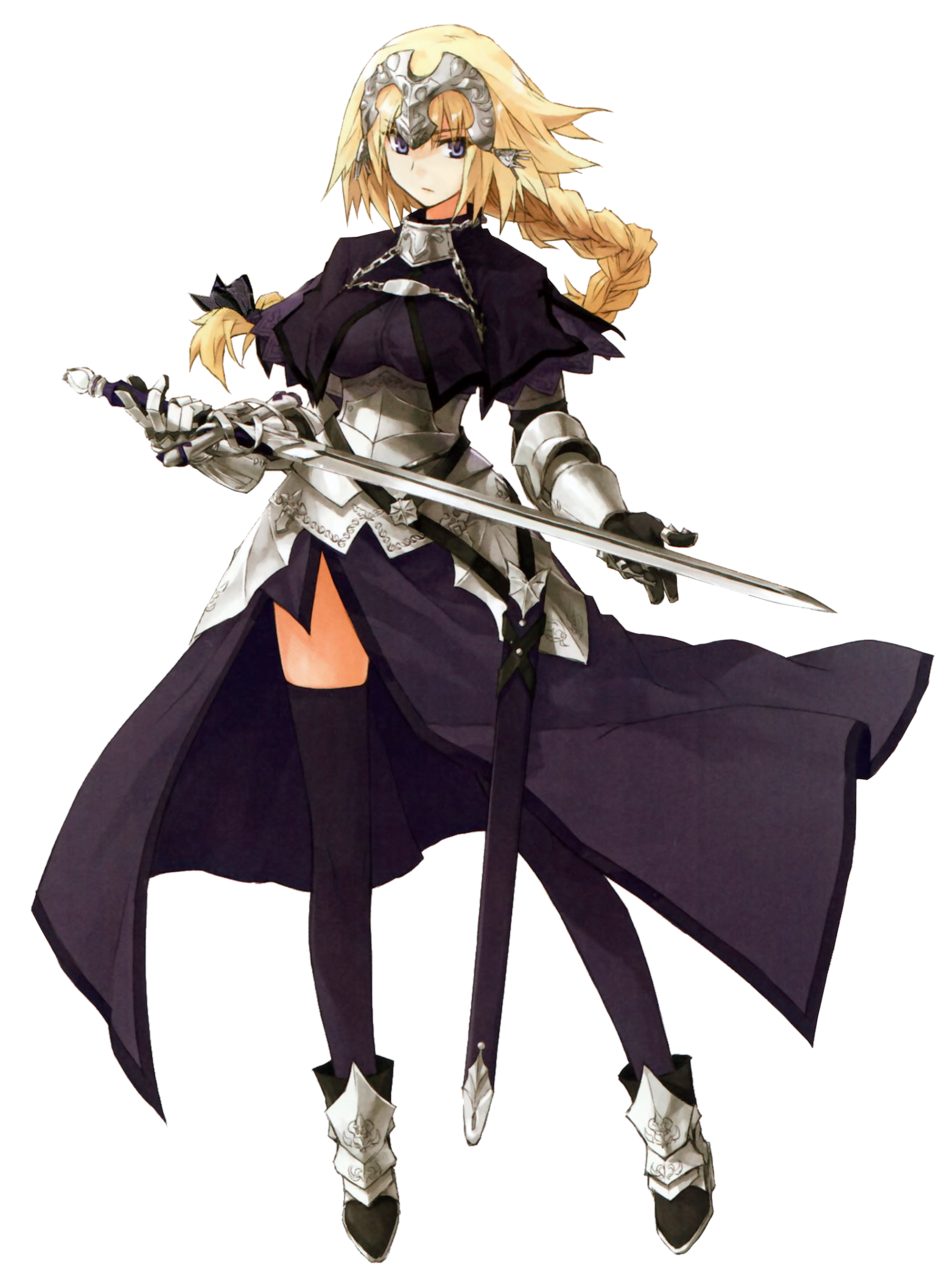
So, continuing with looking at Joan of Arc, I decided to look at various media adaptations of her, and one in particular stood out to me; Jeanné d’Arc (Ruler) from the anime series “Fate/Apocrypha“.
Jeanné d’Arc (Ruler)
In the series, she’s modelled on her actual historcial deeds, but her design is a little different to her historical appearance, due to her possessing a living human who looks like this.
I’m thinking of using this version of Jeanné as the basis for my design, as the styles I’m looking at are heavily based in the manga style. She also looks like a total badass!
Ability-wise, in Fate/Apocrypha, Jeanné has two distinct abilities; Luminosite Eternele, and La Pucelle. Luminosite Eternele (Eternal Radiance in French) uses the banner of Orleans to protect herself and allies from any attack. La Pucelle on the other hand is a powerful, but double-edged attack. She used the sword of St. Catherine to burn away all she believes must be eliminated. The cost however, is usually her life.
Visually, I want to use the look of flowing blonde hair, as it gives me an idea based on my experience of playing Dungeons and Dragons; that my protagonist is in fact an “Aasimar“. An Aasimar is a human with angelic blood, giving them inborn divine-based abilities. Seems like a good fit, doesn’t it?
Anyways, I’m gonna head off now, so I’ll see you later!
Now, over the last few weeks, I’ve been playing some of my favourite games in my spare time (what precious little of that I have left!). However, instead of just enjoying them, I’ve been thinking about why I enjoy them, and what I could learn or adapt from them for my own project. I’m gonna talk about a few of them here, and some of them may branch into spoiler territory so:
WARNING – SPOILER ALERT!!!
Anywho, now that’s been said, I’m gonna talk about a selction of games. They may not all be JRPG’s, however they have mechanics that have been used in JRPG’s so it counts.
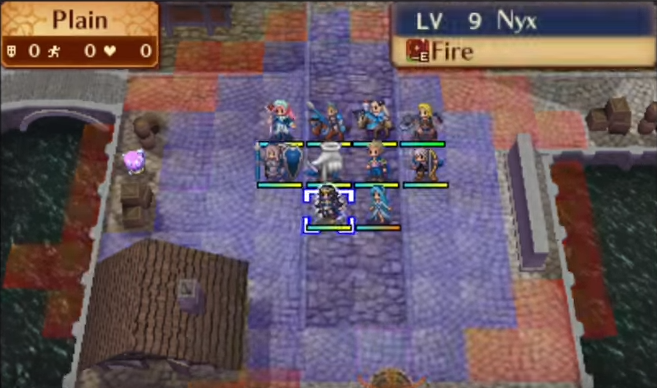
First up is Fire Emblem Fates, which is quite interesting for it has three different story paths, based on a decision that you make in Chapter 5 (After doing this once, you can just start new games from after this point!). The three routes are basically parallel paths, but that’s wandering into story territory. What I’m here to talk about are the mechanics. Fire Emblem as a series uses a Tactical Battle System, which uses an overhead camera angle to show the battlefield. Each character moves on a grid, and can use actions like attacking, spellcasting, or using items. Characters can only move and act once per round (unless something happens, which I’ll get to later), and once all of your characters have acted, it changes to your opponents turn. It keeps going on like this until one side fulfills their objective (which is usually kill everything on the enemy side, but there are others).
The opening round of a battle in Fire Emblem Fates
Now, there are two characters who can break the one move-and-action rule, Azura, and her son, Shigure. These two characters are bard-like, and have a magic song that only they can use. Using it on someone allows them one more move or action. As they have to use their action to sing, it’s basically just transferring their action to a teammate.
Another thing that the series has in later installments is the “My Castle” system, which provides the player with a customisable stronghold, which they can upgrade and control to suit their playstyle. It also gives them access to new items, equipment, skills, and spells, depending on what updrages they’ve done in the Castle.
Now, I happen to like Tactical Battle games, as I grew up playing Warhammer 40K with my dad, which is pretty similar to games like Fire Emblem. One of my minor gripes with a large amount of the Fire Emblem series is that you can’t fully exploit the terrain. I like being able to destroy the enemy’s cover, to navigate around it, or even use it against them with things like Fireball spells. It’s something that a lot of games forget about. But not my next choice.
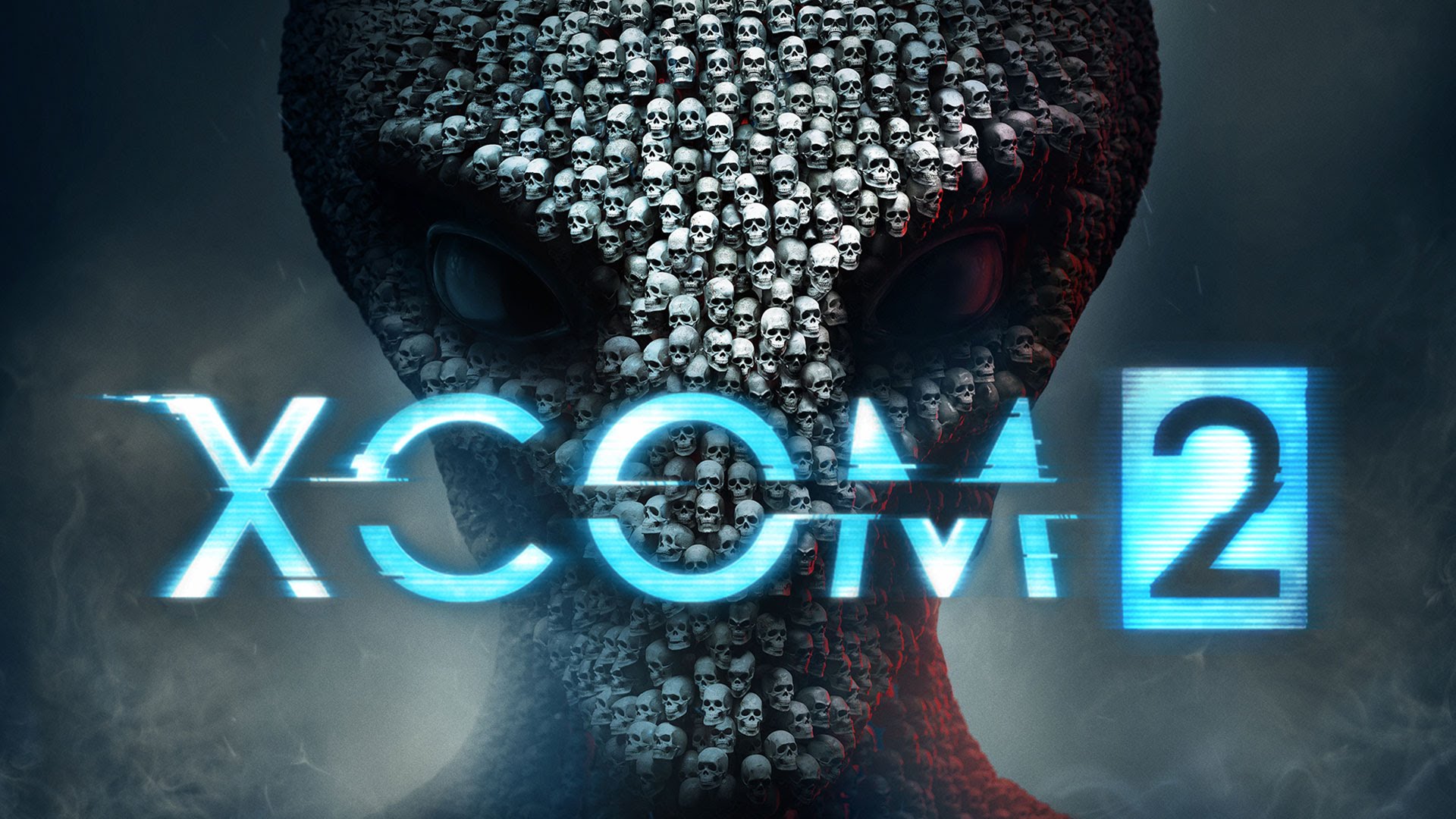
XCOM 2: War of the Chosen is an absolute gem of a Tactical Battle RPG. I would have chosen the first game for this; XCOM: Enemy Unknown (and it’s expansion: Enemy Within), but I found the second game was a far better game in terms of mechanics. Actually, War of the Chosen is an expansion for the base XCOM 2 game, but it adds so much content, I could never play it without the expansion.
XCOM 2: War of the Chosen Cover Art
XCOM 2 Cover Art
Althogh the XCOM series is based on the “Alien Invasion“, it still uses a lot of the same basic mechanics of the fantasy-orientated Fire Emblem series. Although, it does allow you to exploit terrain, which is something you can never really do in Fire Emblem. You have a selection of character classes, such as the mobile “Ranger”, hard-hitting “Grenadier”, long-range “Sharpshooter”, or tech-savvy “Specialist”. There’s even a “magic-user” type class in the “Psi-Operative”. As it only uses a small number of character types, you’d think your mechanically limited; your not. Each class has a “Talent-Tree” which you can use to specialise them in a number of interesting ways. The thing the expansion brings to your squad is the addition of allied resistance factions, which often combine aspects of existing classes into new and incredibly deadly squad members.
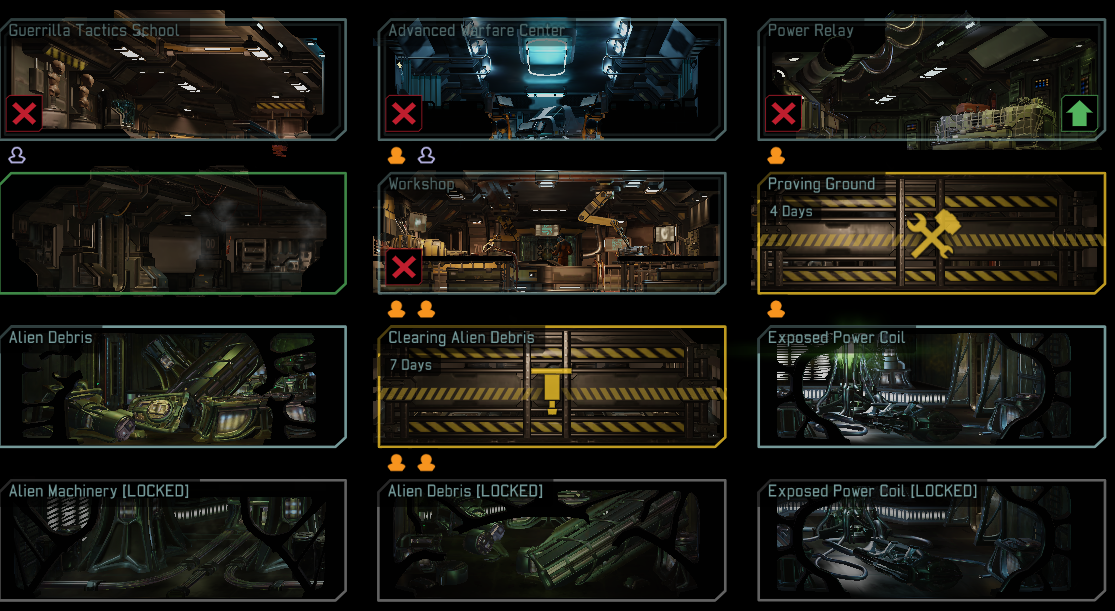
Now, XCOM 2 has an upgradable stronghold, in a similar manner to Fire Emblem, but with one difference; it’s an alien spaceship called “The Avenger”.
The Avenger’s room layout
There are only a small handful of slots on the Avenger, so you have to choose what you want to build wisely. There is also a requirement for building rooms; power supply. If your power supply cannot accommodate the new room, you won’t be able to build it. Luckily, one of the options you can choose is the power relay, which gives you more power. If you build one on an exposed power coil, it gives more than usual. Now this is something I could use in my own project; not just an upgradable base, but a bit of resource management. Since I’m doing a more fantasy-orientated game, I’m probably going to use more mundane things like Gold or Materials.
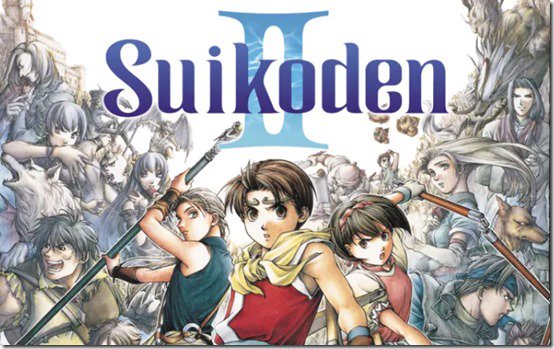
Keeping with the topic of Tactical Battle games, I’m gonna move on to Suikoden II.
Suikoden II Cover Art
Now this game is very interesting; it actually has three battle modes! One is a SIX person skirmish mode, there’s a mass-battle tactical system, and a one-on-one duelling system. It also has 108 PLAYABLE CHARACTERS!!! Now I should explain, the Suikoden series is based off of “The Water Margin” which is an element of chinese mythology about the nine-dozen-heroes (9×12=108) who are fighting against oppression. There’s also a (quite badly dubbed) TV series based on the same stories, which is also called “The Water Margin“. SuikodenII also has a really interesting and unique Runic Magic system, that relies on “Rune Affinity” (a system that’s quite complex for me to explain). I can go through some of the basics of the Rune Magic system though; each character has a number of “Rune Slots” in which they can have Runes embedded (usually, they have two, but some more magically-orientated characters have three). Each Rune gives access to a small number of spells that can only be used X number of times. Runes can be upgraded to provide more potent or varied spells, depending on the Rune in question. For me, I like this system, as it’s a little bit more refined than the Materia system from FF7. I could potentially combine this type of system with the learn-by-use system introduced in FF6, which is something I’ve actually been thinking about for a while.
In addition to these features, Suikoden II ALSO has an upgradable stronghold, which in keeping with it’s source material is often near a body of water. It seems to me that in Tactical Battle games, having a player controlled stronghold is almost standard practice. Anyway, onto another game!
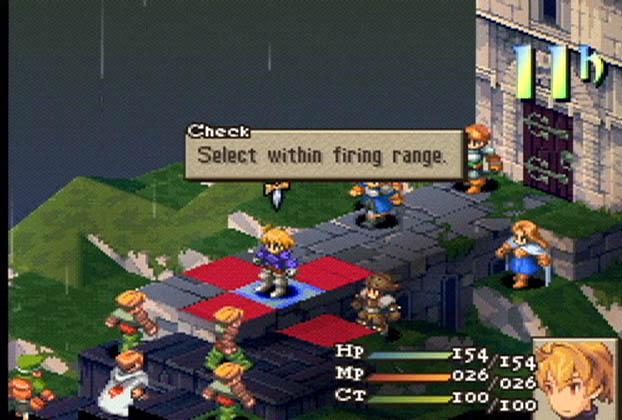
Final Fantasy Tactics. I had to get back to the JRPG giant eventually, but the Tactics series is a spin-off that uses the Tactical Battle genre, but combines it with a lot of the old Final Fantasy mechanics, ike the job system. The difference is that the jobs aren’t straightjackets like they can be in some core series entries. Instead, they improve your characters abilities, give them access to skills, and are freely changeable. You can even carry skills over between jobs! One thing is does use is a job-unlock system, where you have to level certain jobs up to a certain level to unlock other jobs, such as raising the level of white mage so you can get summoner. I suppose it’s to stop players from accessing powerful or complex abilities too early into the game.
I could adapt this for myself, but I’m still debating whether I want any kind of “Job” system at all. I often find them incredibly restraining and difficult to balance correctly. They also don’t mesh well with any kind of learning system, due to their nature of dishing out skills at arbitrary levels. I could use them as a kind of growth model I suppose.
I’m hoping to pull a bit of a Suikoden with my own project, as I have a means of creating a traditional Active Time Battle (ATB) system that works alongside the Tactical Battle system (TBS). The only problem is gonna be the balancing (isn’t it always?). I want to have abiities that can be used in both systems without issue. One thing I’d like to experiment with is an ATB/TBS hybrid that uses the ATB’s pseudo-realtime system on the TBS battlefields. That should create a sense of urgency in battles, making it more imperative to think on your feet. I would make the ATB pause whilst your choosing actions though, otherwise the AI would destroy you in a matter of moments. I’d also rig the AI to only handle one unit at a time, so it’s a bit more fair to the player.
Anyway, I think that’s enough outta me for now, otherwise I’m gonna bore you to death. I’ll be back soon with something. I dunno what it’s gonna be yet, but I’ m hoping that it’ll be cool or interesting. Anyways, I’ll see you later!!!
Now many of you may be wondering what relation half of my research has to my project; I mean, I’ve gone from looking at game series to historical figures. How does any of it fit together? Well, I’m going to answer that for you now.
My research into existing game series is meant to inspire my lore and mechanics for my own project. Instead of trying to come up with a “100% original idea”, which is statistically next to impossible, I’m looking at what already exists, and what I can learn from them. I mean, immitation is the highest form of flattery, isn’t it? I also want to know what’s gone before, what didn’t work, or what I think I could improve on.
My character research is to help me make some decisions about what types of characters to include. I find characters both one of the most fascinating and most frustrating parts of the whole design process, and I often have way too many ideas on what characters I want.
So, there you have it. It may not seem immediately relevant when I talk about things like my favourite games, or awesome characters, but at the same time, it’s these that actually inspire me to make my own games and other creative work. Everyone needs a muse.
Anyway, I hope that’s cleared that up, and I’ll see you soon!
Today, I’m going to be talking about a historic figure that’s actually inspiring my character designs: Joan of Arc (or in the original French: Jeanne d’Arc).
As I mentioned in my story notes, I want to have one of my characters be a kind of “Holy Maiden”, and the first one I could think of from history was Jeanne d’Arc. Also, I was watching Fate/Apocrypha at the time, and they use an interpretation of her for the series, so I guess you could say that it also something to do with this.
Jeanne d’Arc
Anyway, back to the main topic here. Jeanne was born sometime around 1412 (15th Century) to a farmer; Jacques d’Arc and his wife (who I can’t find a name for). She was illiterate (couldn’t read or write), but her mother instilled in her a fervent devotion to the catholic faith.
When she was 13, she began hearing voices, whcih she believed to be the catholic god telling her that it was her mission to save france from the english during the hundred years war. After coming to this mission, she took a vow of chastity. This was used to get her out of an arranged marriage that her father had planned for her.
In the May of 1428, she made her way to Vaucouleurs, which was a stronghold of those loyal to Charles of Valois, whom was believed to be the rightful king of France. She was initially denied entry, but was persistant enough to be granted an audience with Charles. What she and Charles spoke about is largely unknown and unrecorded, but he allowed her to lead an army to the beseiged city of Orléans (at her insistance).
Jeanne set of with her new army to Orléans in the March of 1429. She had cut her hair short, wore white armour, and rode a white horse. To be honest, I wonder how much that did to influence the popular fairy-tale belief of noble knights wearing white, riding white horses? Anyway, I digress. She sent a defiant letter to the english, and afterwards joined in several assualts to push the english back across the river Liore.
After this victory, her reputation spread. She escorted Charles across the english held french territories to Reims, which is the traditional locale for french coronations, taking any town that resisted by force. Jeanne also argued that the french forces should retake Paris, but Charles was wavering; his friends at court were warning him about Jeanne becoming too powerful. The english fortified their defences, and Jeanne was unable to retake the city in the September.
During the next spring (1430), King Charles VII ordered her to deal with an assault on the town of Compiégne. During the battle, she was thrown from her horse, and left outside the town gates as they were being closed. She was subsequently captured by the english, and brough to Rouen.
She was then tried as a witch and a heretic, as well as for being dressed as a man (Which was illegal at the time); in fact there were over 70 charges against her in total! Charles, although owing his coronation to her, did nothing to secure her release. On May 30th 1431, at the age of 19, she was burned at the stake in the old market of Rouen.
2o years later, Charles ordered a new trial, and successfully managed to clear her name. She was later canonized as a catholic saint in 1920.
Whew! That’s a lot of info in one go. Now I bet you’re wondering what possible inspiration I could use from her? Well, she was ascribed as a Holy Maiden (which is a concept I wish t use), as well as being someone who was not of nole lineage, yet still accomplished things that the nobility couldn’t do. I’m thinking of using that as well, given the part of my story idea that deals with a war. In essence, she’s ideal for what I have in mind. Now I know I can’t just steal the entire historical character wholesale, as I’m NOT making a pseudo-historical piece. The only bits that I’m thinking of using are the fact that she was a competant leader, and her attestment of being a religious figure. Aside from that, I’m going to try and design the rest of the character that I want to use myself.
Anyway, that’s one character looked at! I’m hoping to have more soon! Until then!






 SLGameDesign FMP