Itch.io and Wiki’s

Hiya, I’m back!

I’ve been having a look at the Wikia/Fandom pages on various game series for a few hours now, trying to get some ideas and inspiration. Some of the Wiki’s are quite extensive, so it’s taking a long time to get through the various articles about JRPG series installments. I’ll post the links to the ones I’ve been focusing on:

https://finalfantasy.fandom.com/wiki/Final_Fantasy_Wiki

https://mana.fandom.com/wiki/Wiki_of_Mana

https://goldensun.fandom.com/wiki/Golden_Sun_Wiki

https://suikoden.fandom.com/wiki/Suikoden_Wiki

https://fireemblem.fandom.com/wiki/Fire_Emblem_Wiki

Whilst there are countless JRPG’s out there, I’m going to focus on these five for now, as they are all series that I’ve actually played. My first JRPG experience was in fact Golden Sun, although I had already heard of Final Fantasy by that point (growing up in the early 2000’s, thats hardly surprising).

Now about Itch.io. For those who don’t know, it’s a website similar to STEAM, except that it’s more friendly and focused towards Indie developers. Many RPG Maker users use Itch.io to self-publish both games and resources, so I thought I should look and see what I could find. I found two games that massively caught my attention: Asylum – Secret of Caledria, and Ara Fell. I’ll post the links before I start talking about them:

https://neosoulgamer.itch.io/asylum-secret-of-caledria

https://stegosoftgames.itch.io/ara-fell

Firstly, I’d like to talk about Asylum, as I have the ability to talk to the developer. This is due to the artist that produces the assets that I’m planning on using; Asylum uses the same asset style, and the artist has a discord server that I’m part of. Here’s a link to the artist’s website, Itch.io page, and their Patreon (which I’ve been subscribed to for about a year and a half):

https://finalbossblues.itch.io/

http://timefantasy.net/

https://www.patreon.com/finalbossblues/posts

I’ve played through the first Asylum demo (it’s still in development, and the second demo should be coming out soon), and I did enjoy the battle system and plot development. It was quite slow-burn, as well as having an ingame lore that I could sink my teeth into. NeoSoulGamer (Asylum’s Developer) has also gone to the trouble of trying to integrate the mechanics into the lore, so there isn’t anything out-of-place or disjointing. Driftwood Gaming did a first impressions video on it a while back, so I’ll post it here now. I must say, it’s a very good playthrough video:

Recently, Drifty got some really bad news about his health, and I wish him and his family the best during this difficult time

Now onto Ara Fell. Made using RPG Maker 2003 (which is older than any game engine that I know, except possibly Unreal), it uses a slightly different pixel style, but the game mechanics are amazing. I played through the free demo, and it has all manner of complex systems that aren’t difficult to use (a massive surprise, considering editing the code for RM2003 is an extremely arduous affair), and it uses them to great effect. The crafting system in particular was well done, as well as the levelling mechanic, with the ability to choose where the stat increases go (quite a difficult feature to implement in an RM game).

I’m gonna go now, but I’ll be back soon with some more material. Until then!

Bibliography:

Finalfantasy.fandom.com. (n.d.). Final Fantasy Wiki. [online] Available at: https://finalfantasy.fandom.com/wiki/Final_Fantasy_Wiki [Accessed 21 Mar. 2019].

Mana.fandom.com. (n.d.). Wiki of Mana. [online] Available at: https://mana.fandom.com/wiki/Wiki_of_Mana [Accessed 21 Mar. 2019].

Goldensun.fandom.com. (n.d.). Golden Sun Universe. [online] Available at: https://goldensun.fandom.com/wiki/Golden_Sun_Wiki [Accessed 21 Mar. 2019].

Suikoden.fandom.com. (n.d.). Suikoden Wikia. [online] Available at: https://suikoden.fandom.com/wiki/Suikoden_Wiki [Accessed 21 Mar. 2019].

Fireemblem.fandom.com. (n.d.). Fire Emblem Wiki. [online] Available at: https://fireemblem.fandom.com/wiki/Fire_Emblem_Wiki [Accessed 21 Mar. 2019].

itch.io. (2019). Asylum: Secret of Caledria by neosoulgamer. [online] Available at: https://neosoulgamer.itch.io/asylum-secret-of-caledria [Accessed 21 Mar. 2019].

itch.io. (2016). Ara Fell by Stegosoft Games, charblar. [online] Available at: https://stegosoftgames.itch.io/ara-fell [Accessed 21 Mar. 2019].

itch.io. (n.d.). finalbossblues – itch.io. [online] Available at: https://finalbossblues.itch.io/ [Accessed 21 Mar. 2019].

Patreon. (n.d.). finalbossblues is creating Pixel Art Game Assets | Patreon. [online] Available at: https://www.patreon.com/finalbossblues/posts [Accessed 21 Mar. 2019].

Gaming, D. (2017). First Impressions MV – Asylum Secret Of Caledria – Very Well Done – Hard to even find any flaws. [online] YouTube. Available at: https://www.youtube.com/watch?v=n6SDEeefpZM&t=28s [Accessed 21 Mar. 2019].
Creative issues and possible solutions

Hi there!

For the last few weeks, I’ve been really stuck on plot ideas, characters, gameplay concepts, and just about everything else that needs to be in a game. I’ve always had issues with this part of the development process, as I can’t seem to come with ideas I want to stick with. Once I get going, I can make things, and even get a demo-ish version out of it. It’s the getting there that I find most difficult. I’ve been looking at some videos on YouTube by Echo607 (I look at her channel quite often) to see if there is anything that I could use. I found a pair of videos that have given me something to think about; one about characters, and the other about worldbuilding and immersion. I’ll post the links here:

Echo has a really nice way of breaking things down into simple terms, so I thought that looking at her videos may help me deal with my current issues. Not sure how long it’ll take though (hopefully not too long).

I’ve also watched another video of Echo’s on “How to make a Game that doesn’t feel like a Generic RPG Maker Game” (Bit of a mouthful, isn’t it?). Here’s the video for you:

Another video I’ve watched is a “Tips and Tricks” video on how to start (and stick to) a project. Again, here’s the video:

These four videos have given me some things to think about when it comes to coming up with ideas. To be honest, it’s an area that I’ve struggled with for a while now. I think I need to spend some time just playing with RPG Maker MV, and making a load of random stuff (kinda like the concept of “free-drawing”). You never know, I could use my random creations to kick start this project. That’s it from me for the moment, so I’ll see you later!

Character Designs

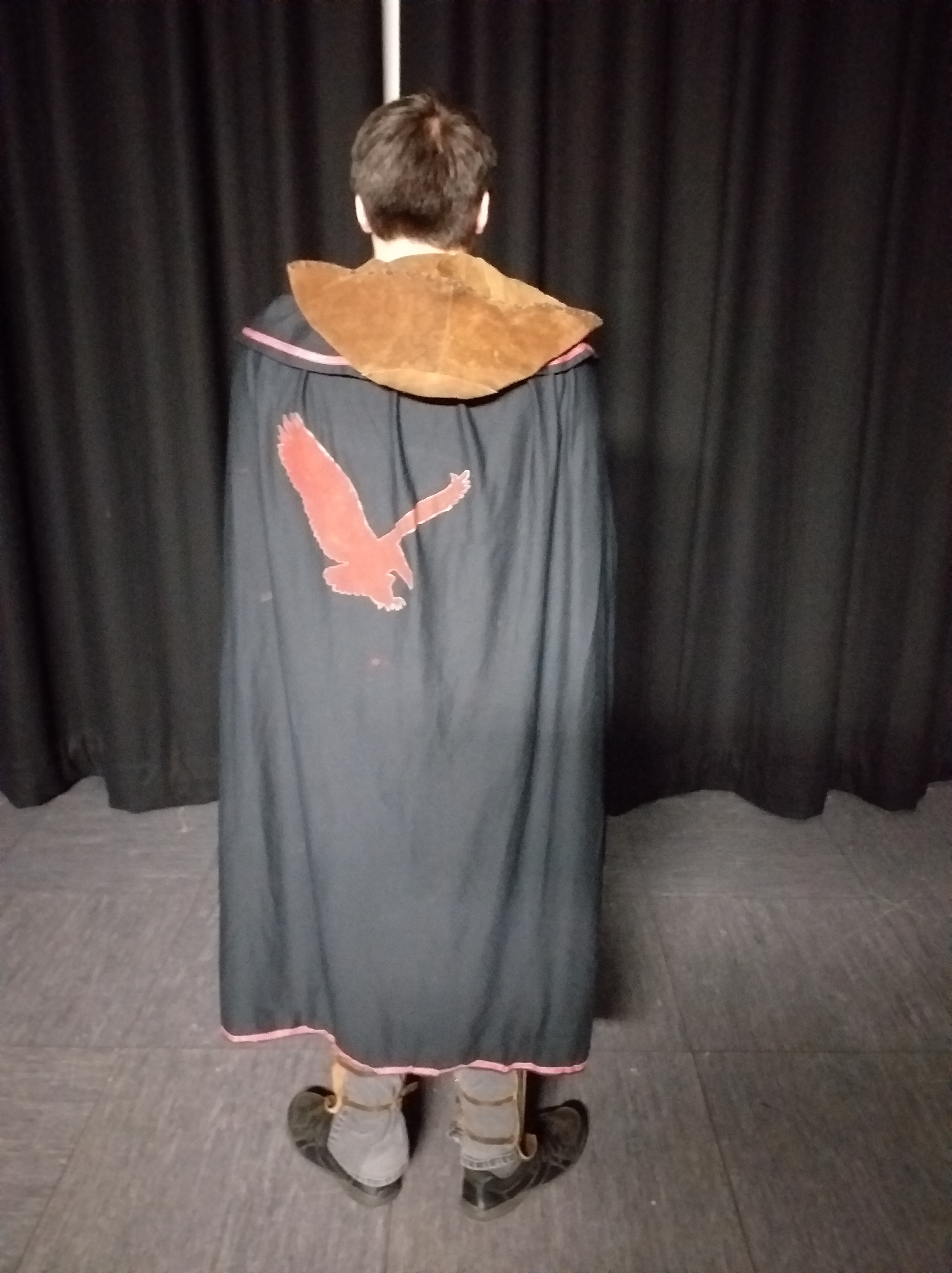
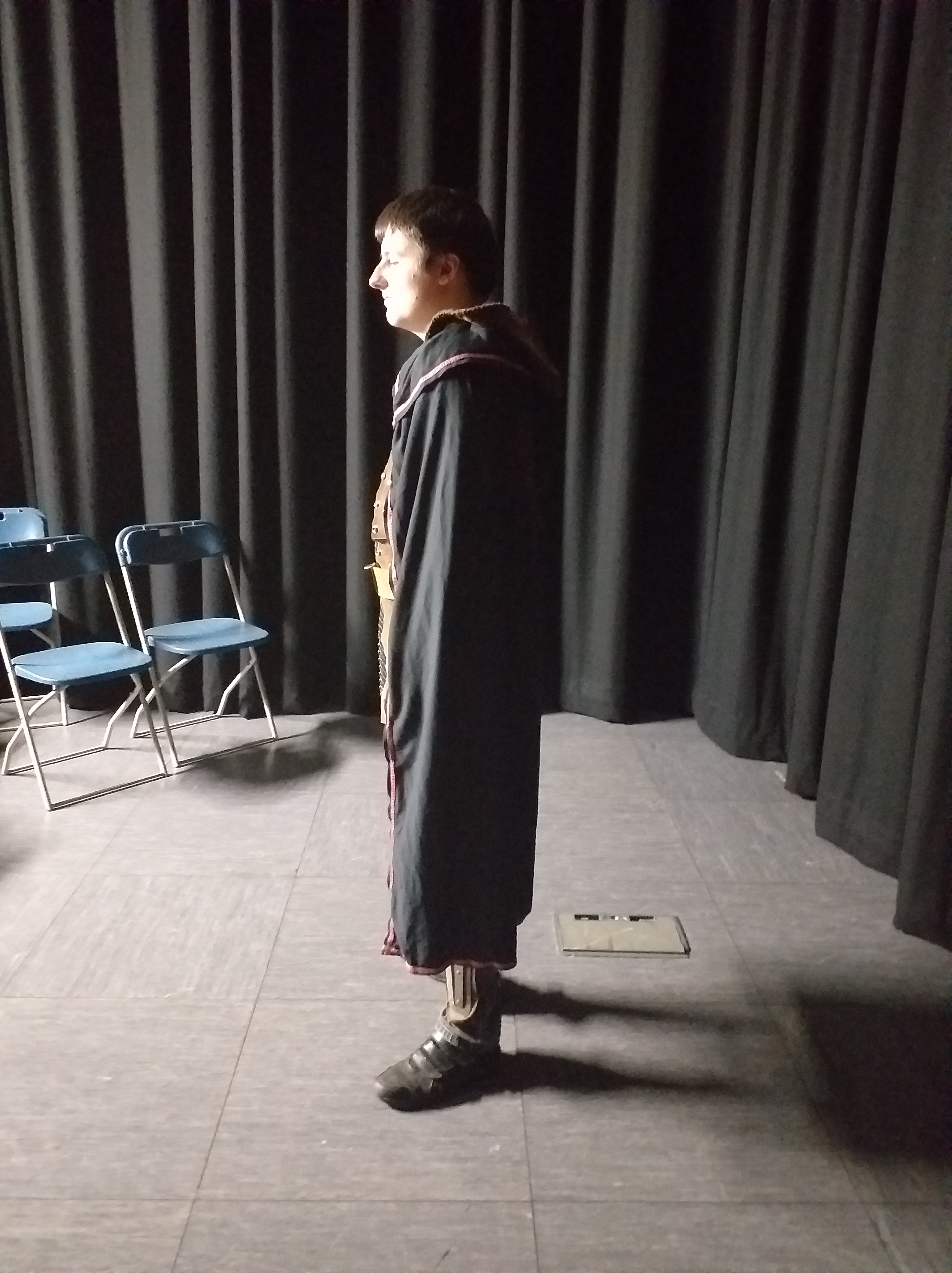
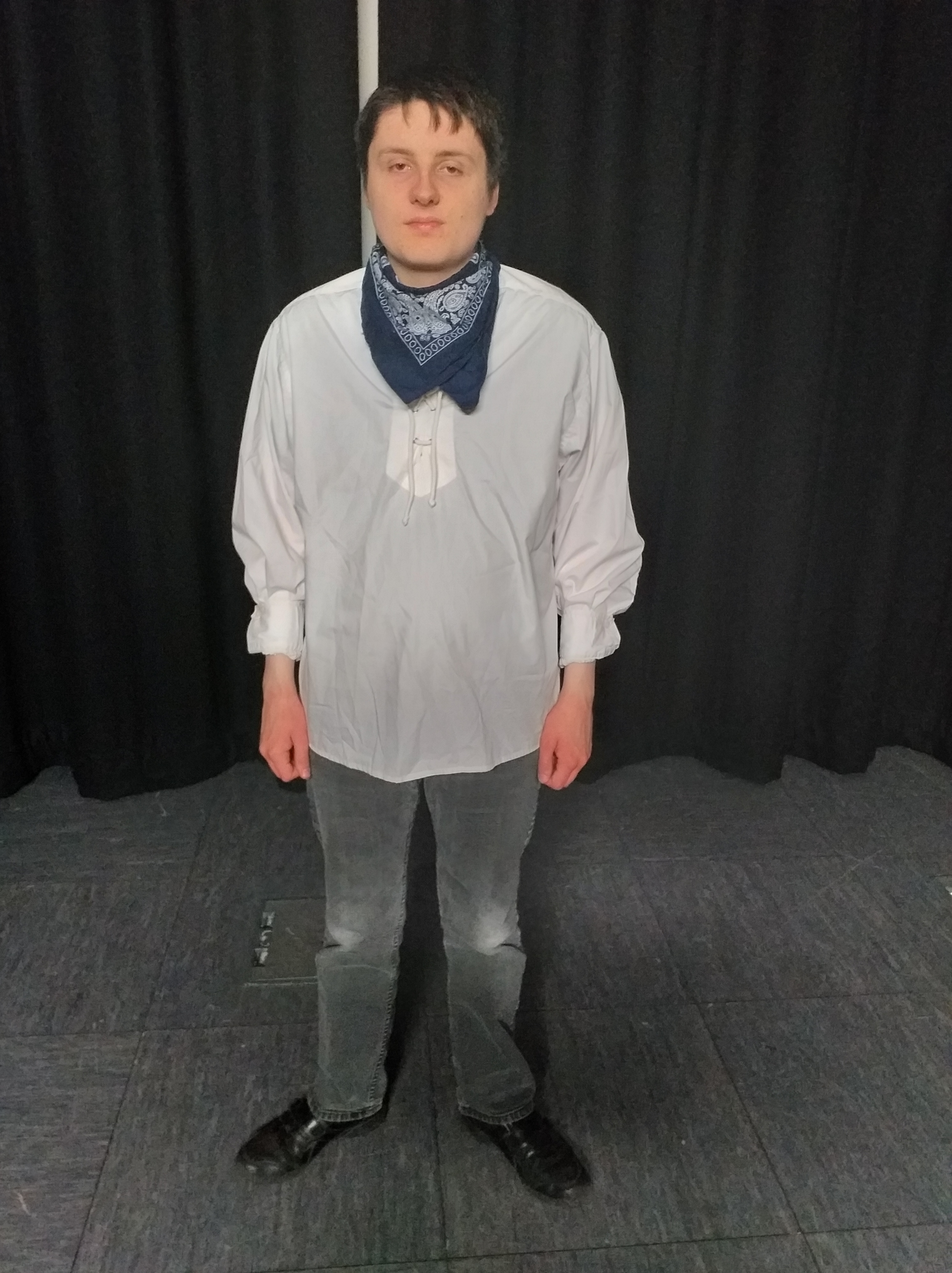
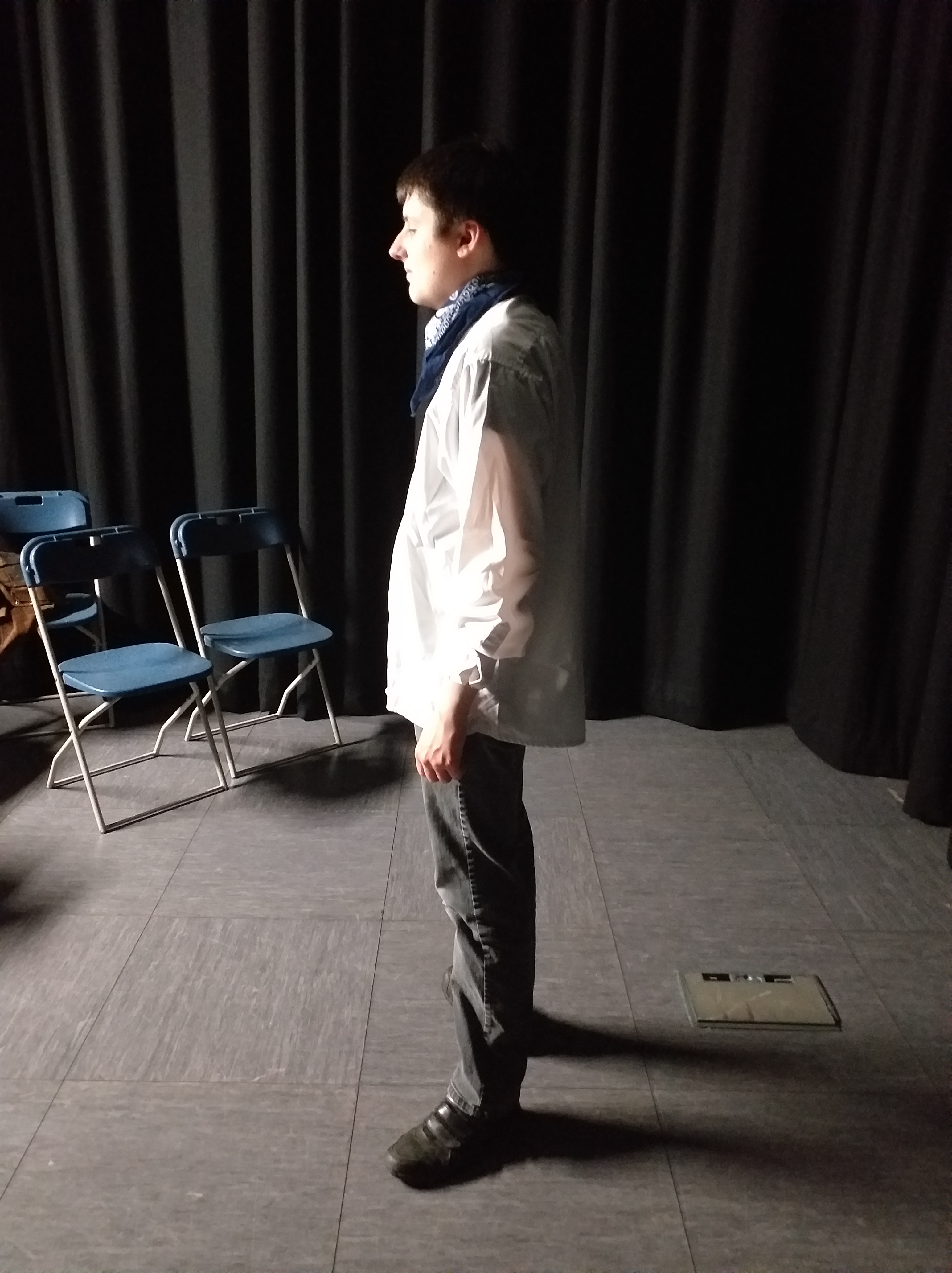
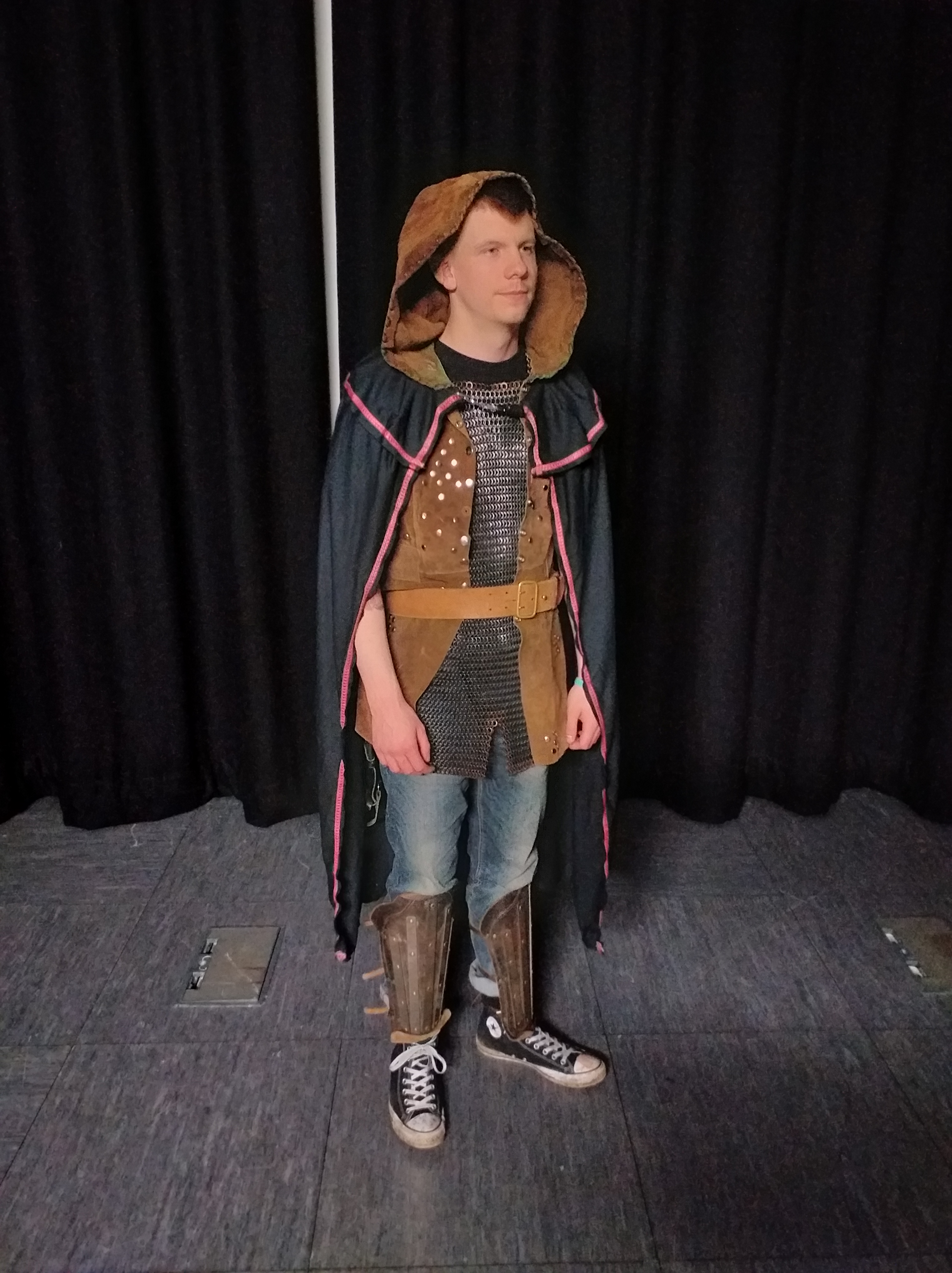
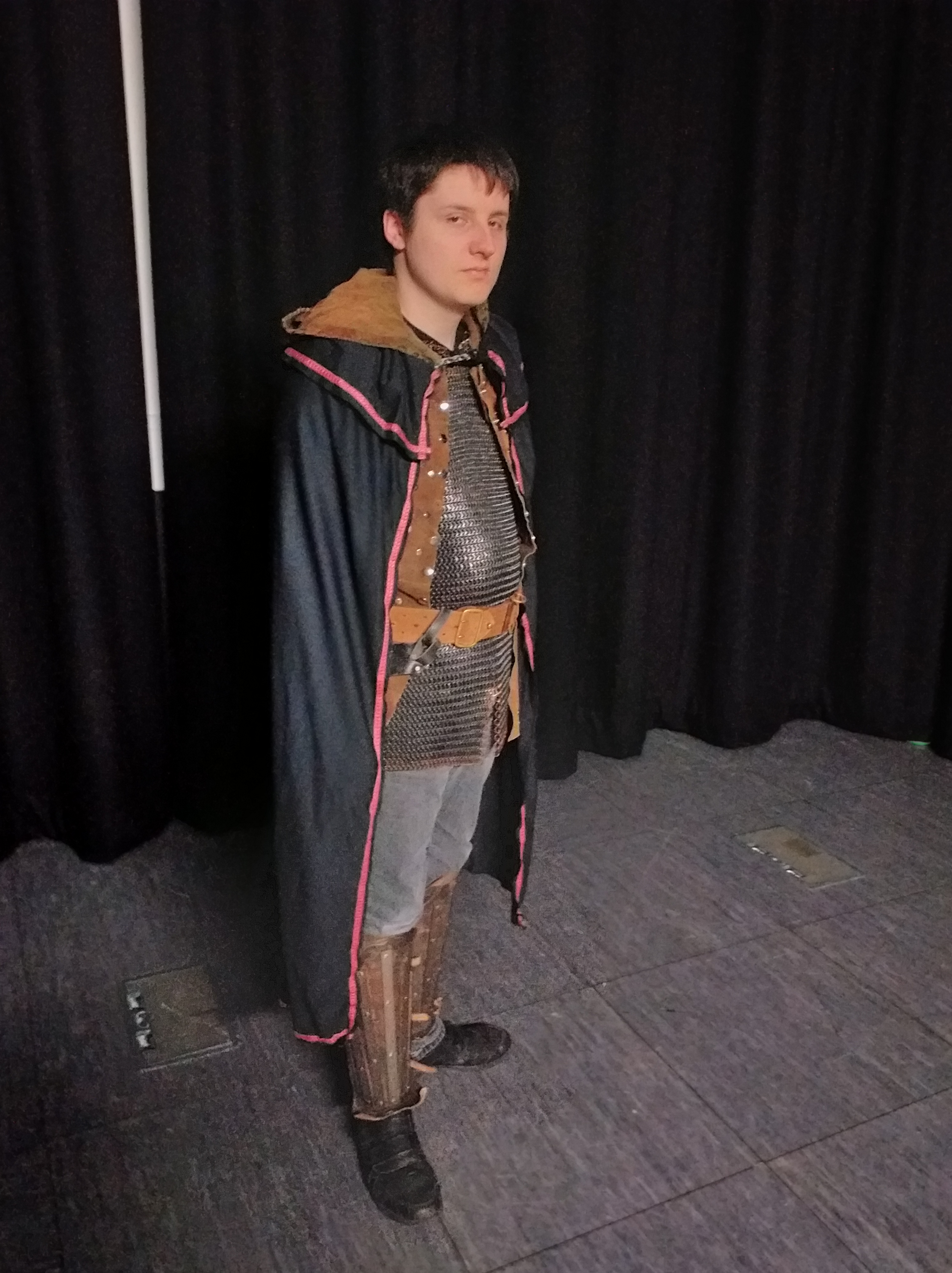
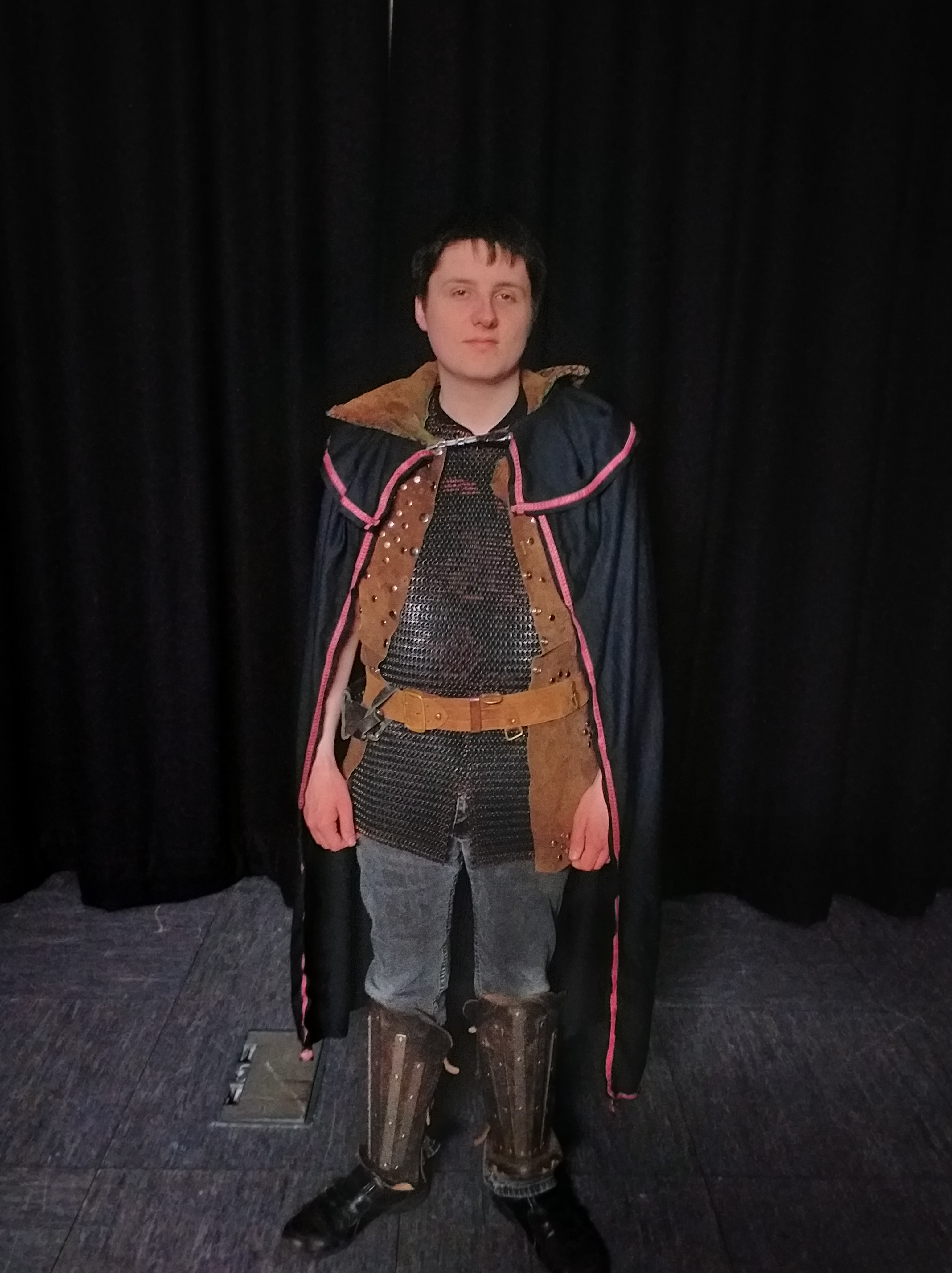
Today, I decided to do some character concepts and designs for this project (I still don’t know what to call it!), however I’m not really good at drawing. So I came up with a work-around. I asked a couple of my friends to become models, as I have access to some old LARP (Live Action RolePlaying) costumes that my dad has at home. As my dad’s a bit of a history buff when it comes to the medieval period that the majority of fantasy games are based on, the majority of the costumes are based on accurate historical research (https://sldesignfmp.game.blog/2019/03/15/medieval-armour-research/)

I was hoping to be able to do a wide range of character ideas, but I only had a small selection of costumes. There are some standard character archetypes in gaming, so I chose to do some of the more basic ones (also, I was limited in what costume resources I had). I decided to do a Warrior, a Rogue, and a Priest, which were the costumes I had available. I wish I could have done a Sorcerer as well, but I had to work with what I had. I would have also had some props such as swords and staves for the costumes, but there is quite an issue with bringing LARP and re-enactment equipment into college, as many of them are weapons (colleges and the police take rather a dim view on the subject).

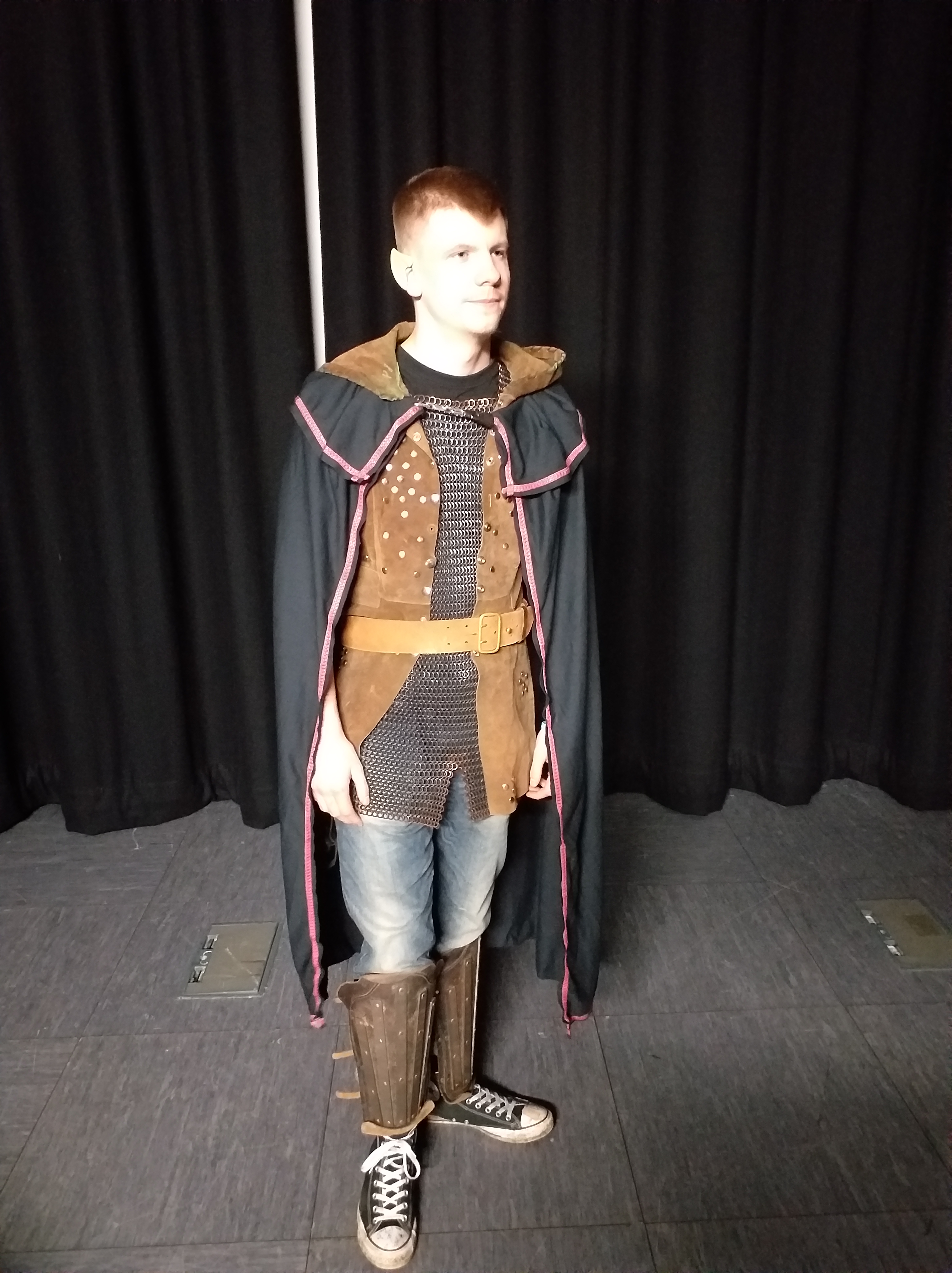
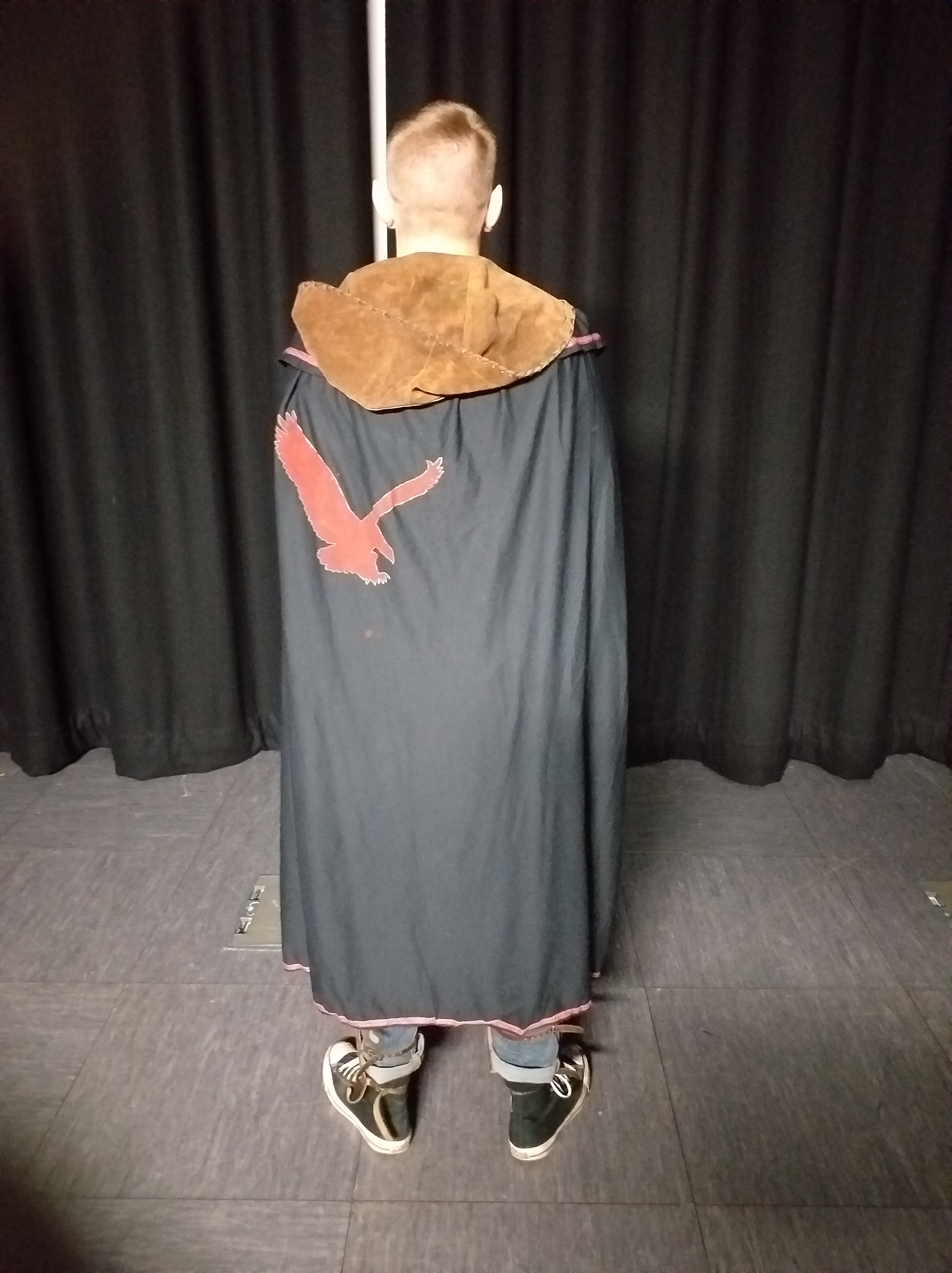
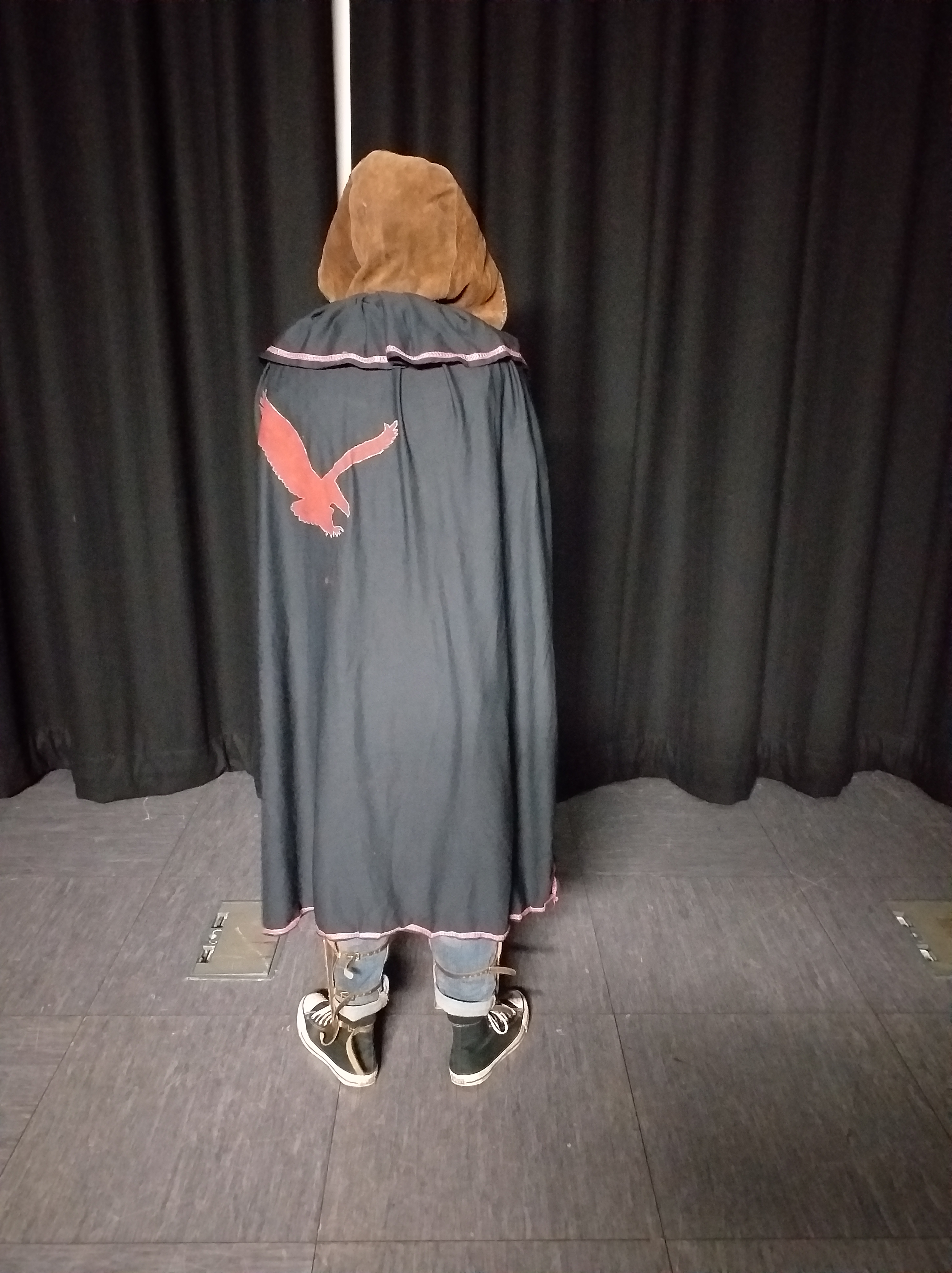
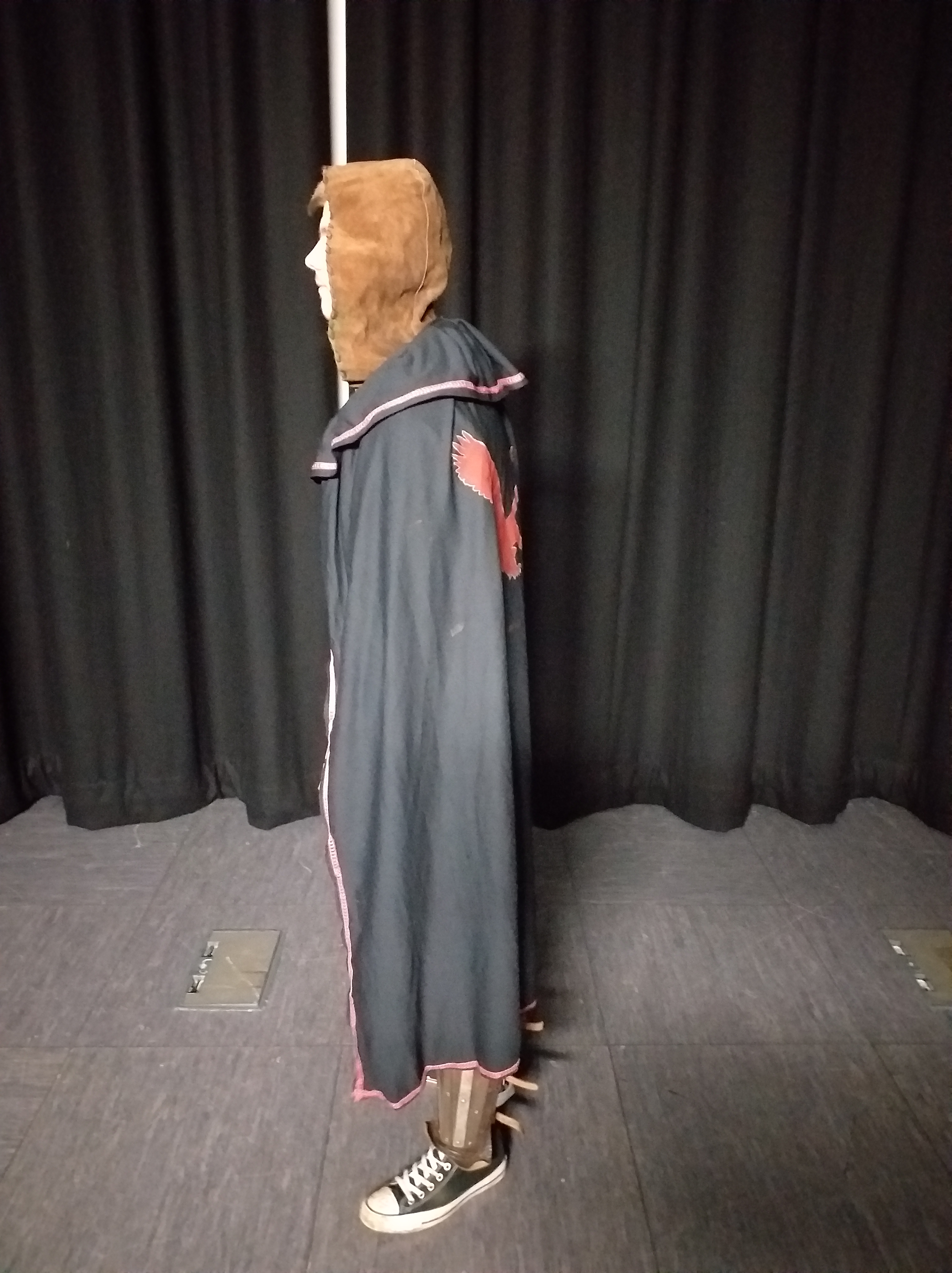
Personally, my favourite image out of the warrior images is the 3/4 view, as he looks like a disgruntled prince! For these, I used a set of steel chainmail that my dad made about 10 years ago, and weighs about 30 pounds (It’s very uncomfortable!). The rest of the costume is a leather jacket, with some splint-leather greaves and a black cloak with a stooping hawk on the back (Dad took his inspiration from the Sparhawk family crest in “The Diamond Throne” by David Eddings). You’ll have to suspend disbelief for a bit, when you see the jeans and denim shoes, but I don’t have any shoes or trousers that would work.

The rogue costume looks more like a character from Pirates of the Carribean, but they too were quite rogue-ish, so I guess it counts. It didn’t really suit my model, as the rogue should probably look a bit more lankey than that, but the actual costume didn’t look out of place.

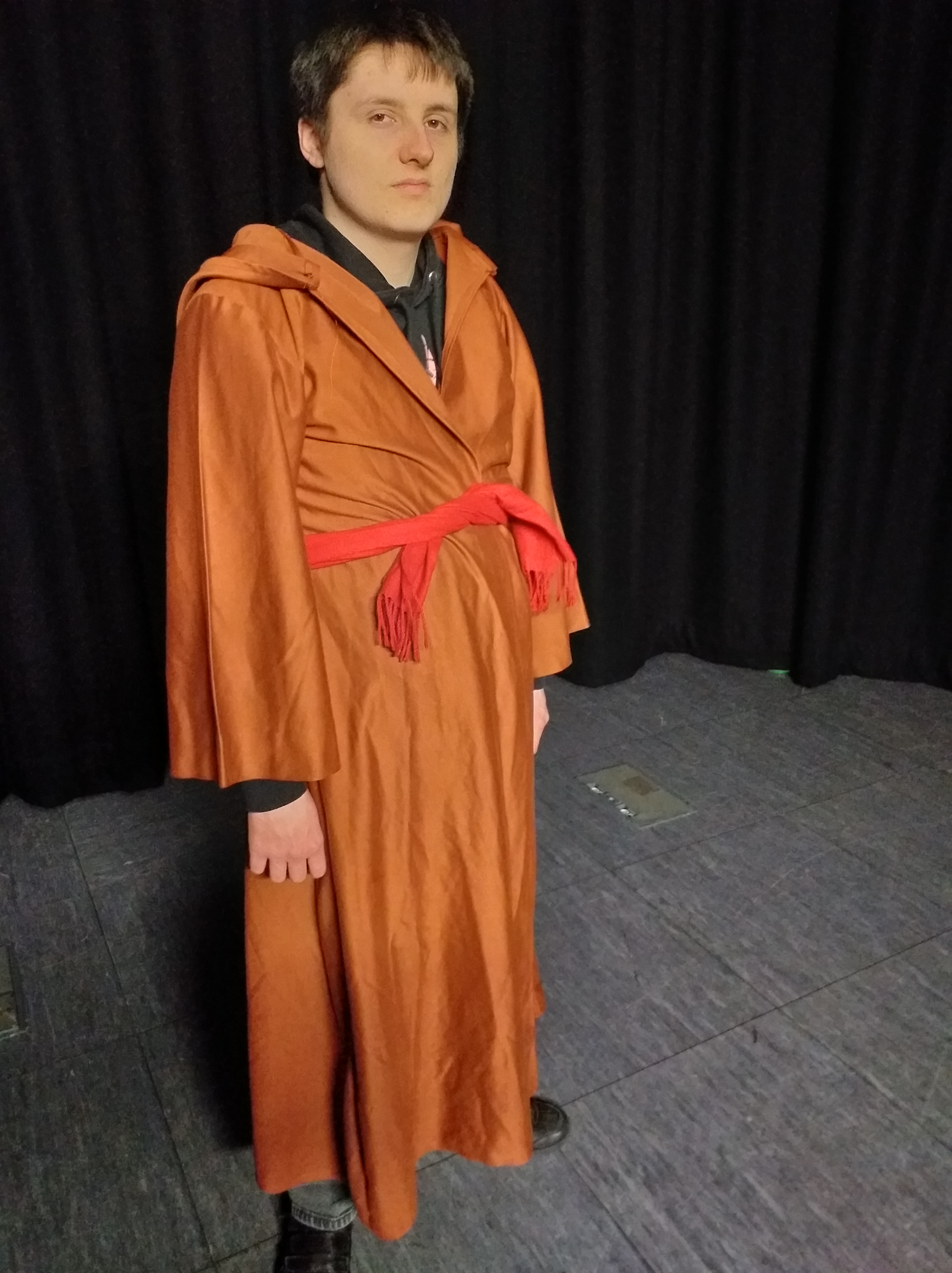
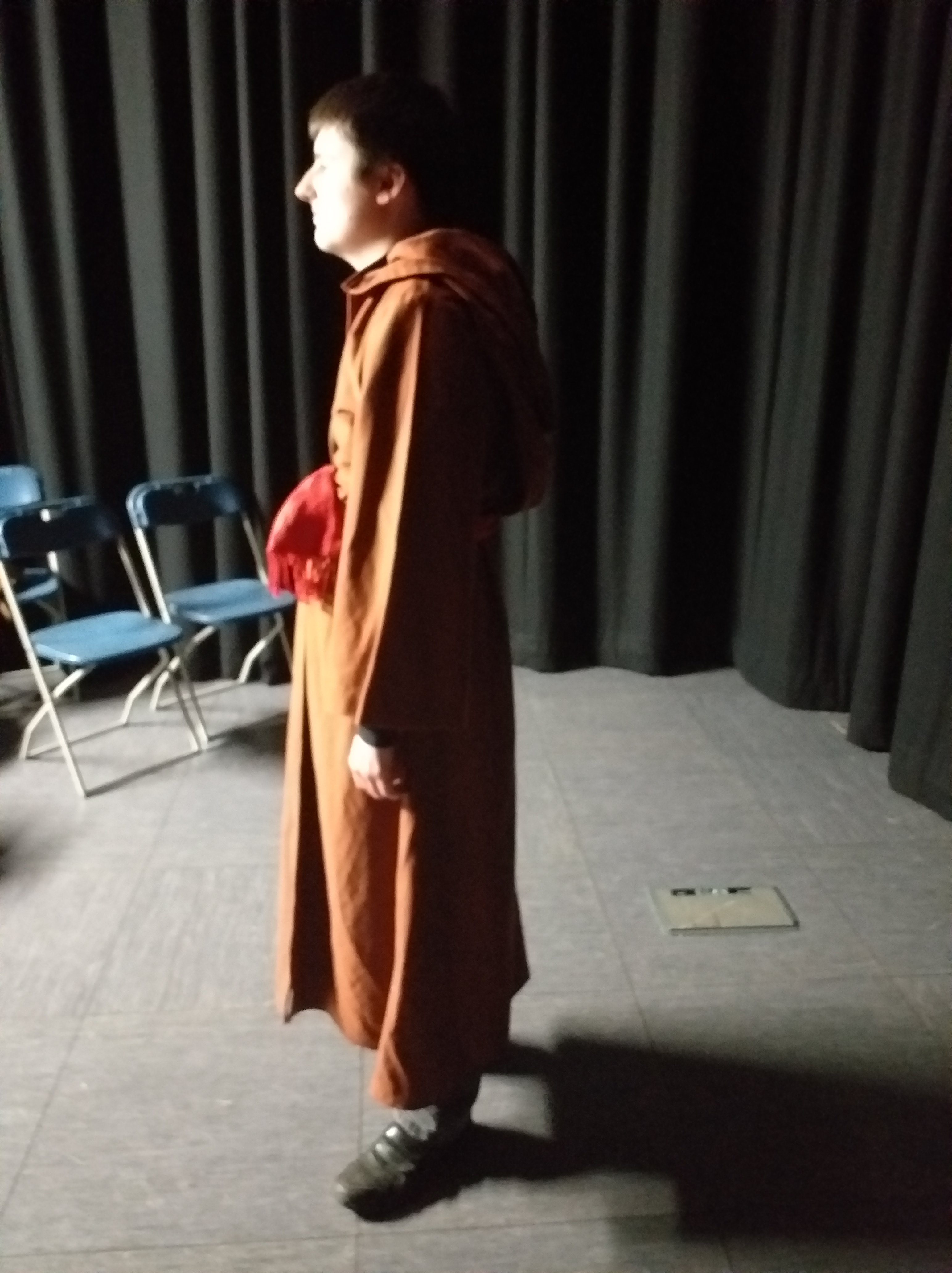
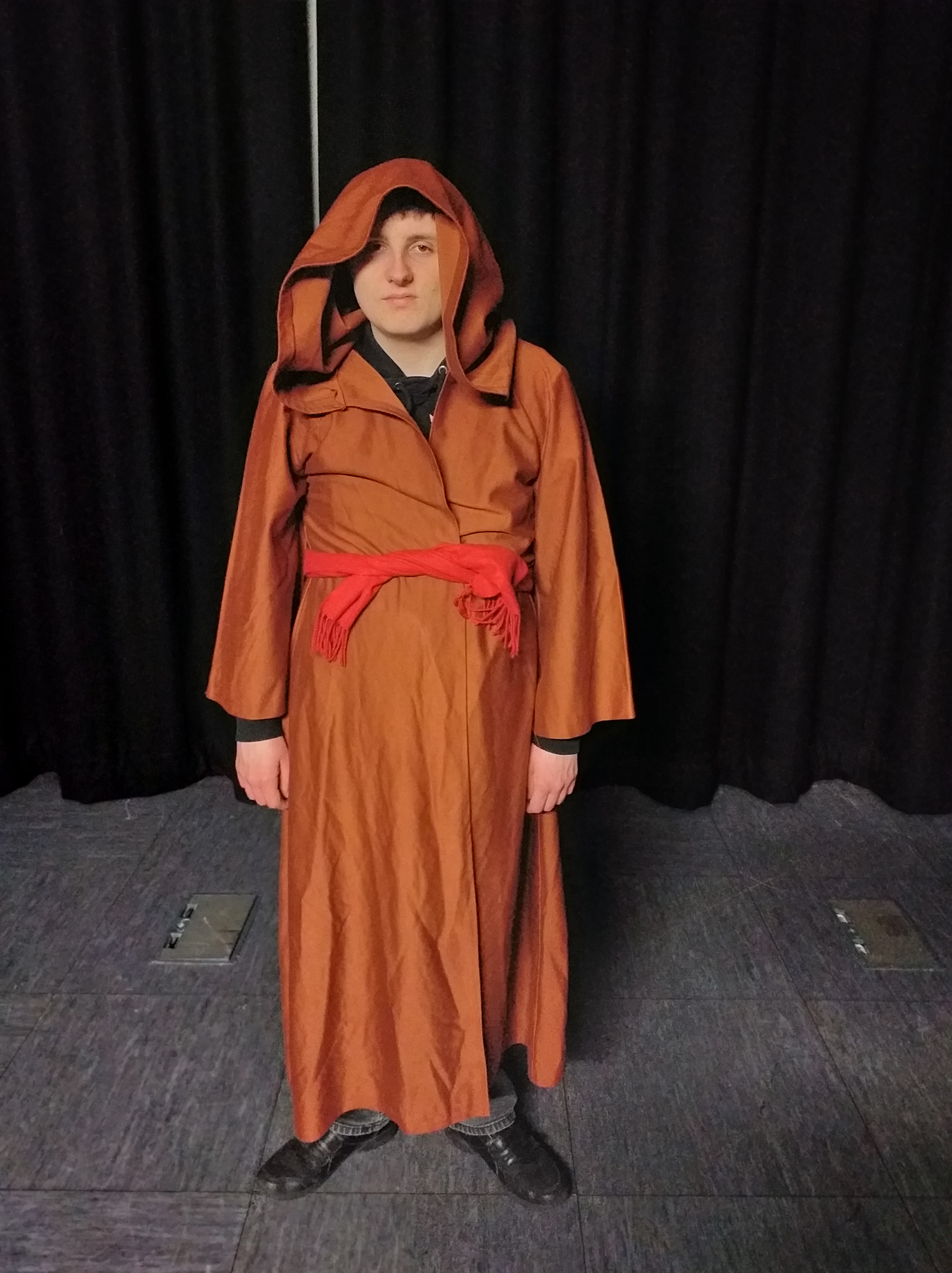
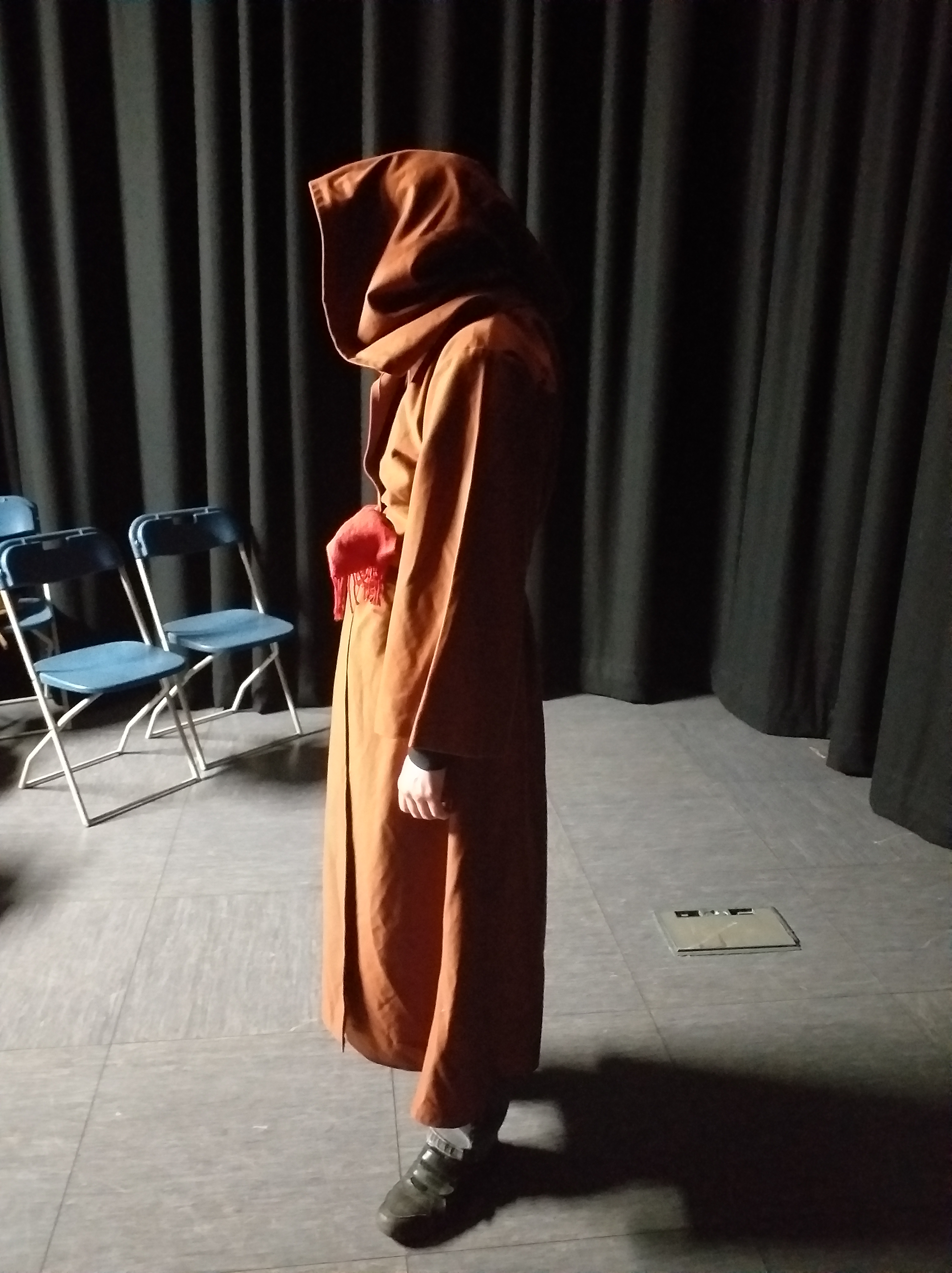
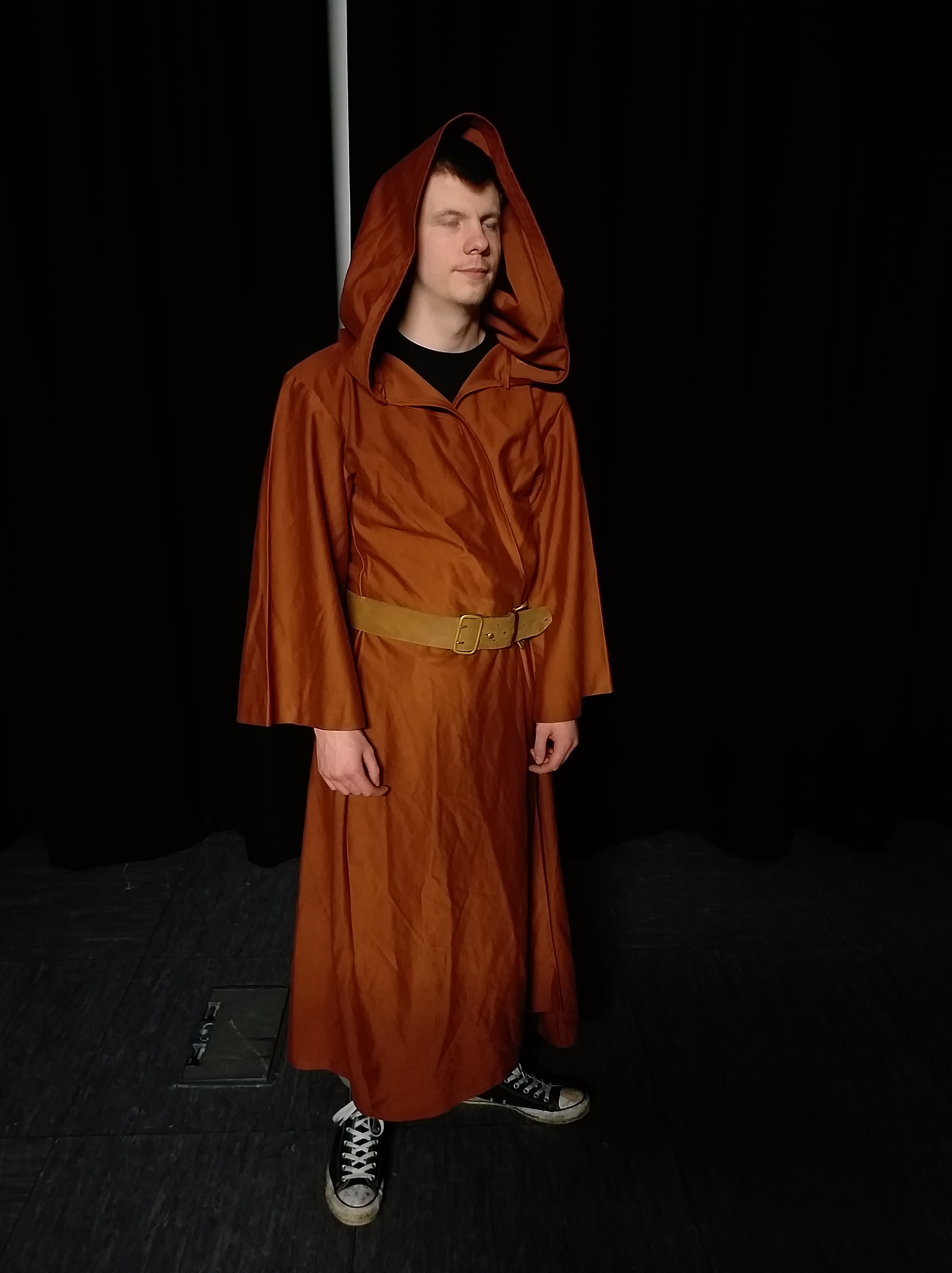
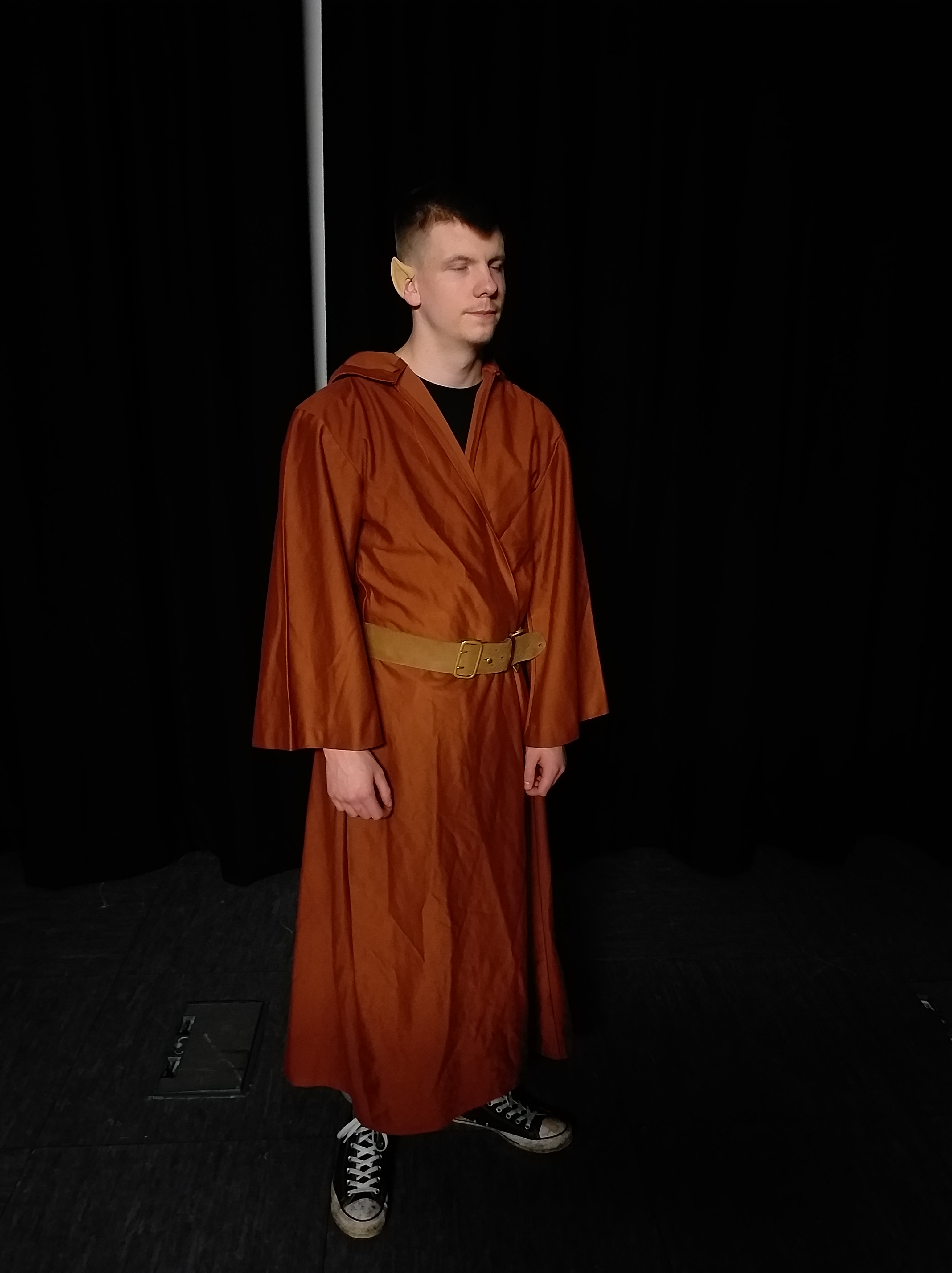
The priest design, whilst the simplest, is also the one I’m not too keen on. To start with, the colour scheme is pretty bright; I’d prefer it to be either white, or a dark blue/black. Also, I think that a more cassock-like robe would be better, as opposed to the sort of tibetan/jedi robe approach that I have going here. It could do with some improvements.

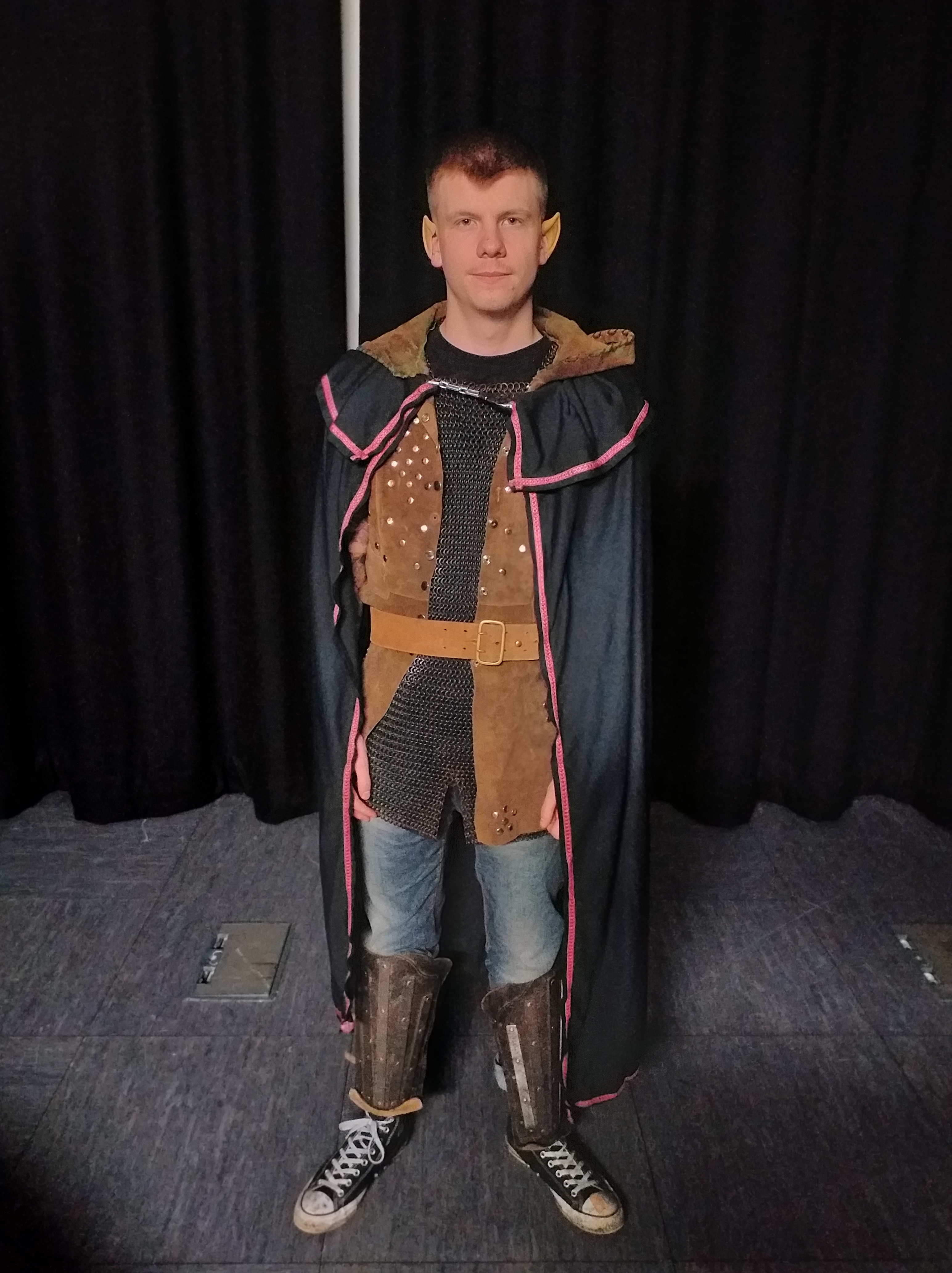
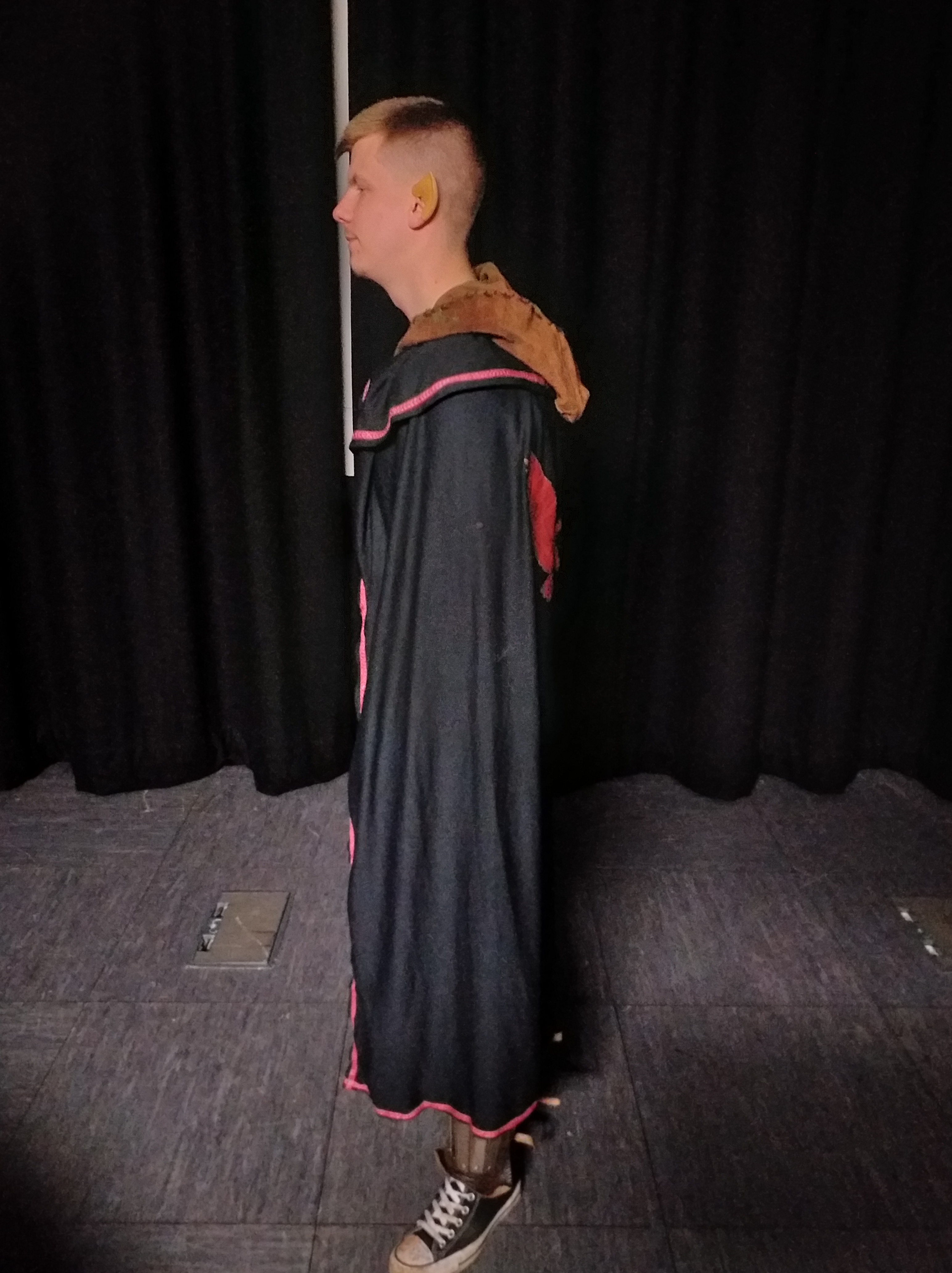
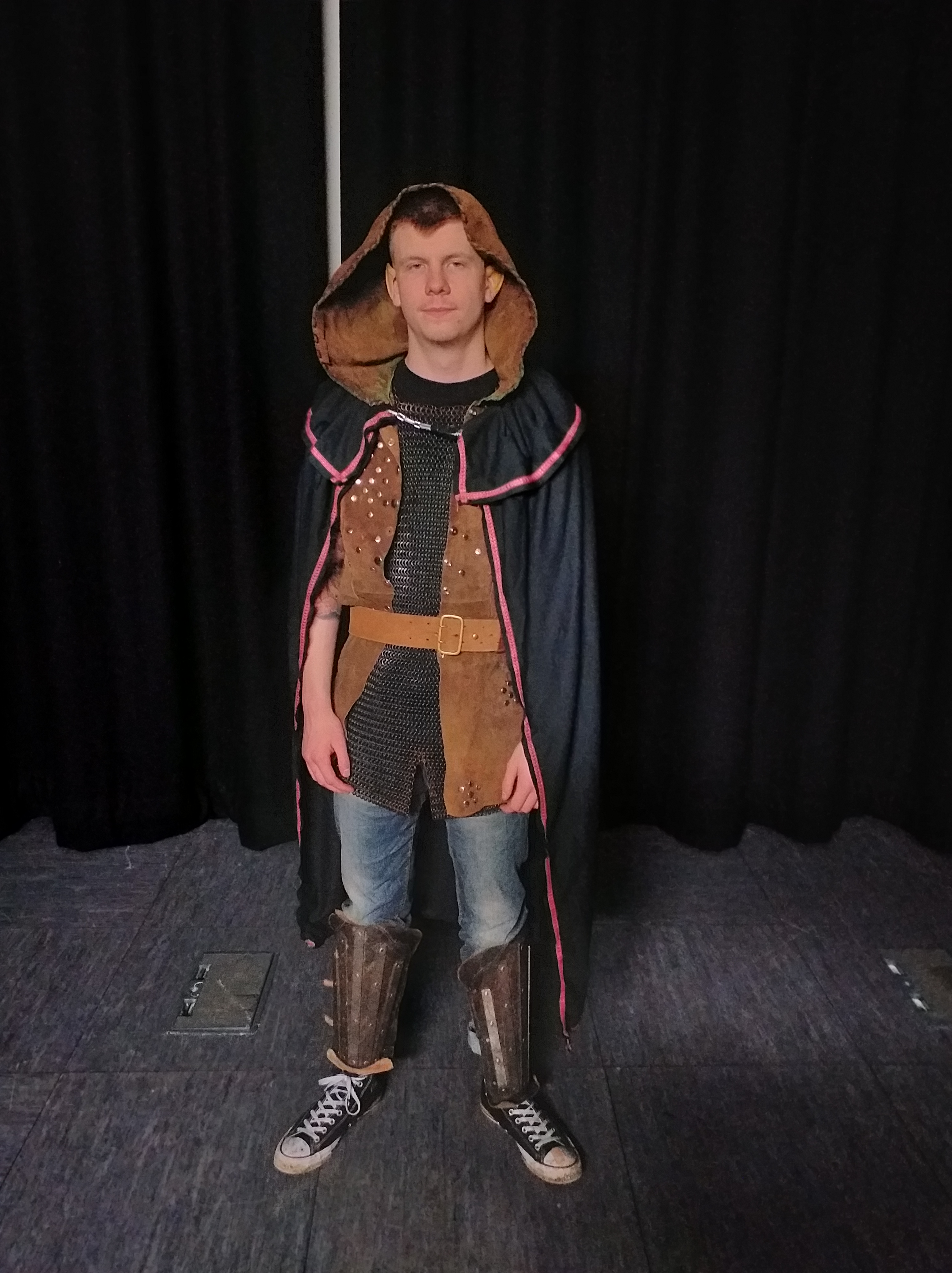
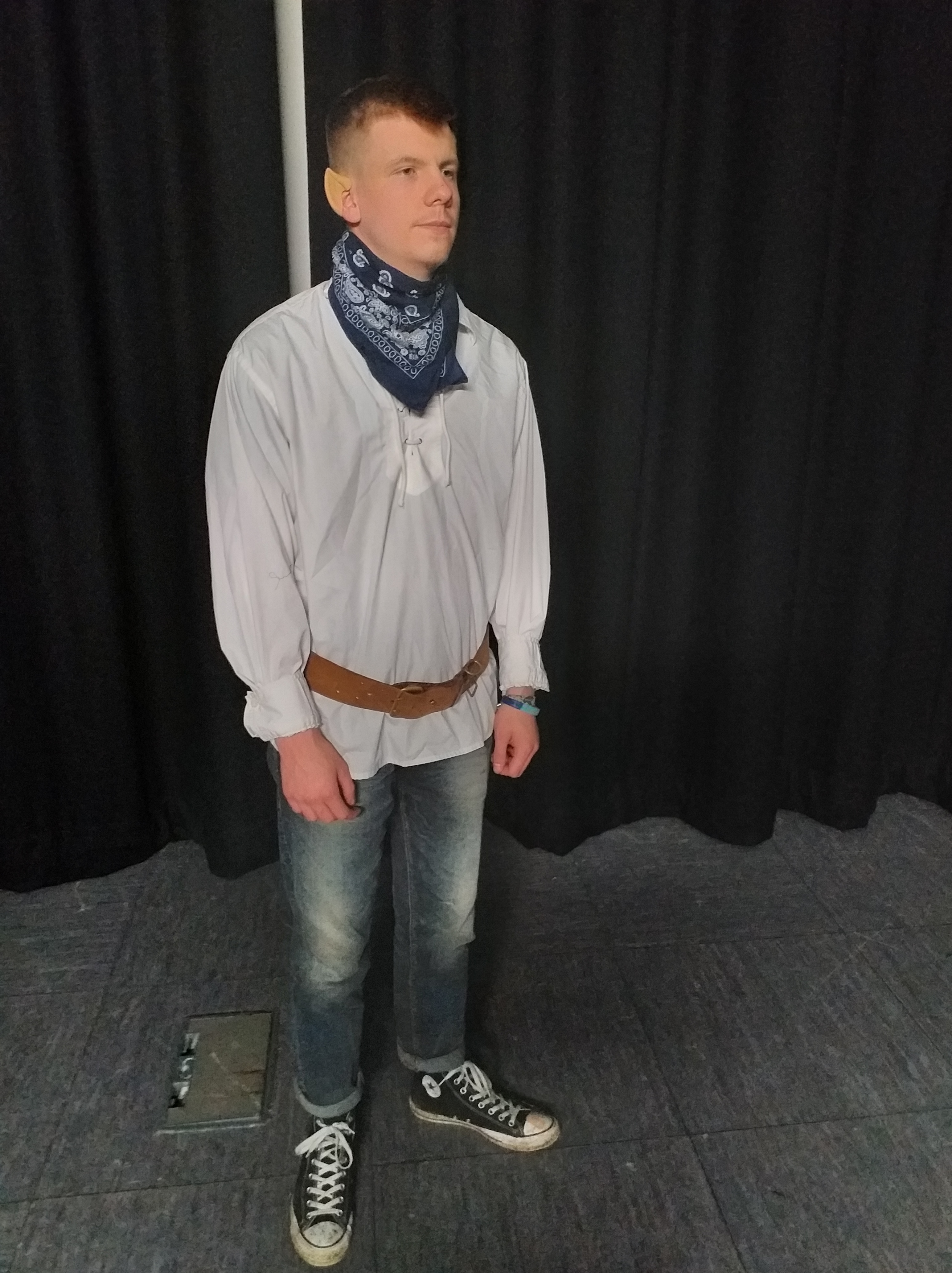
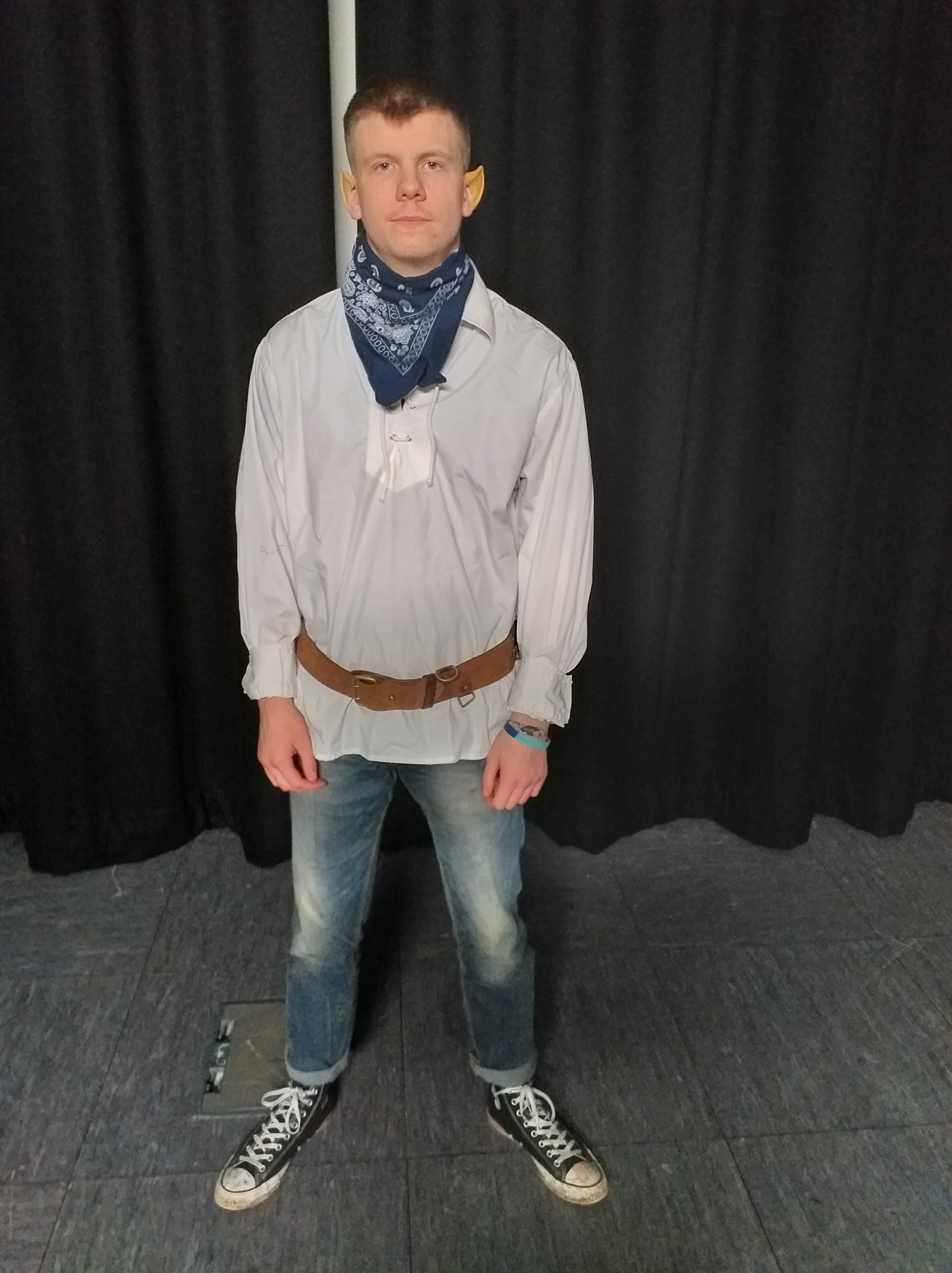
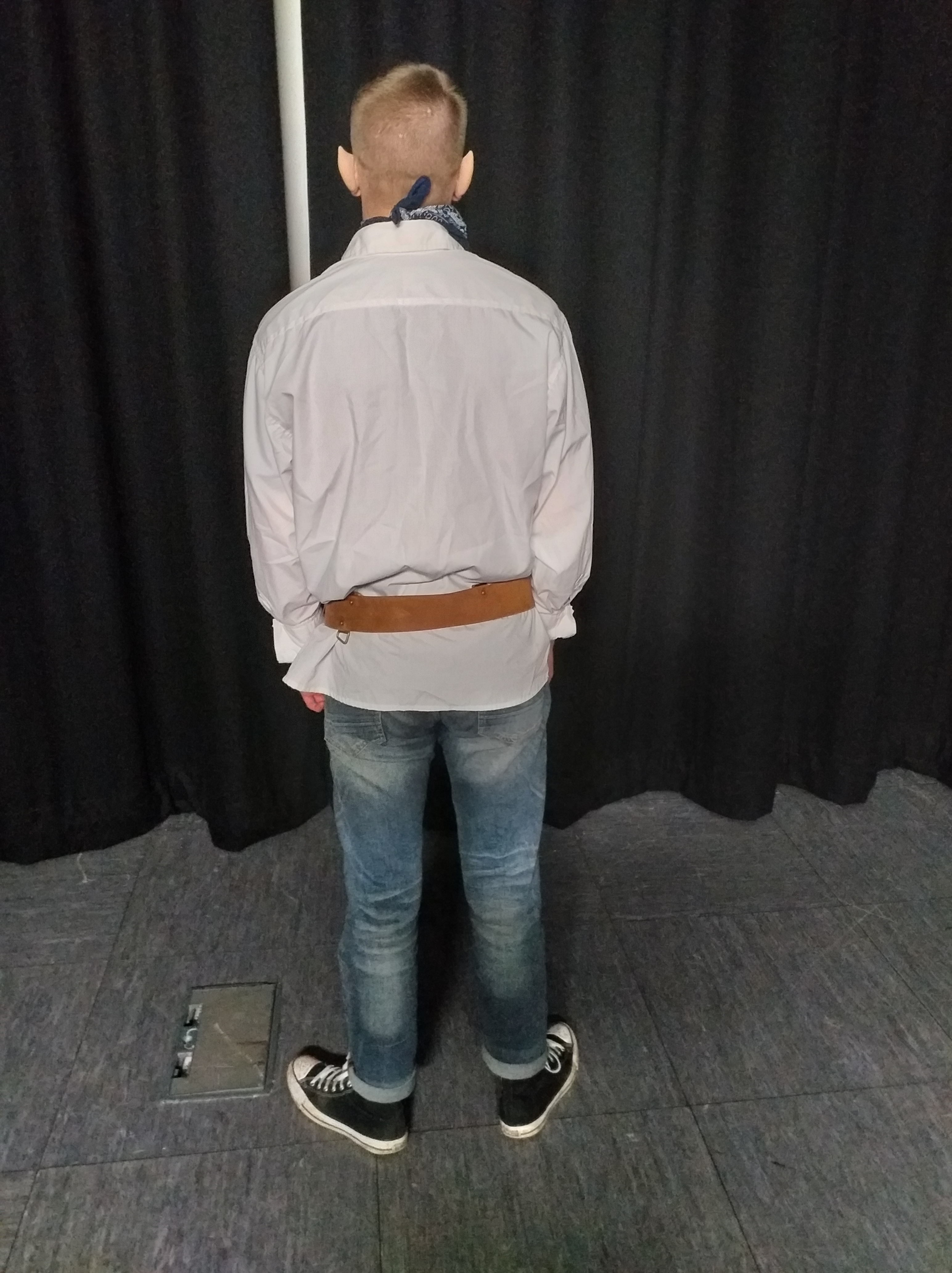
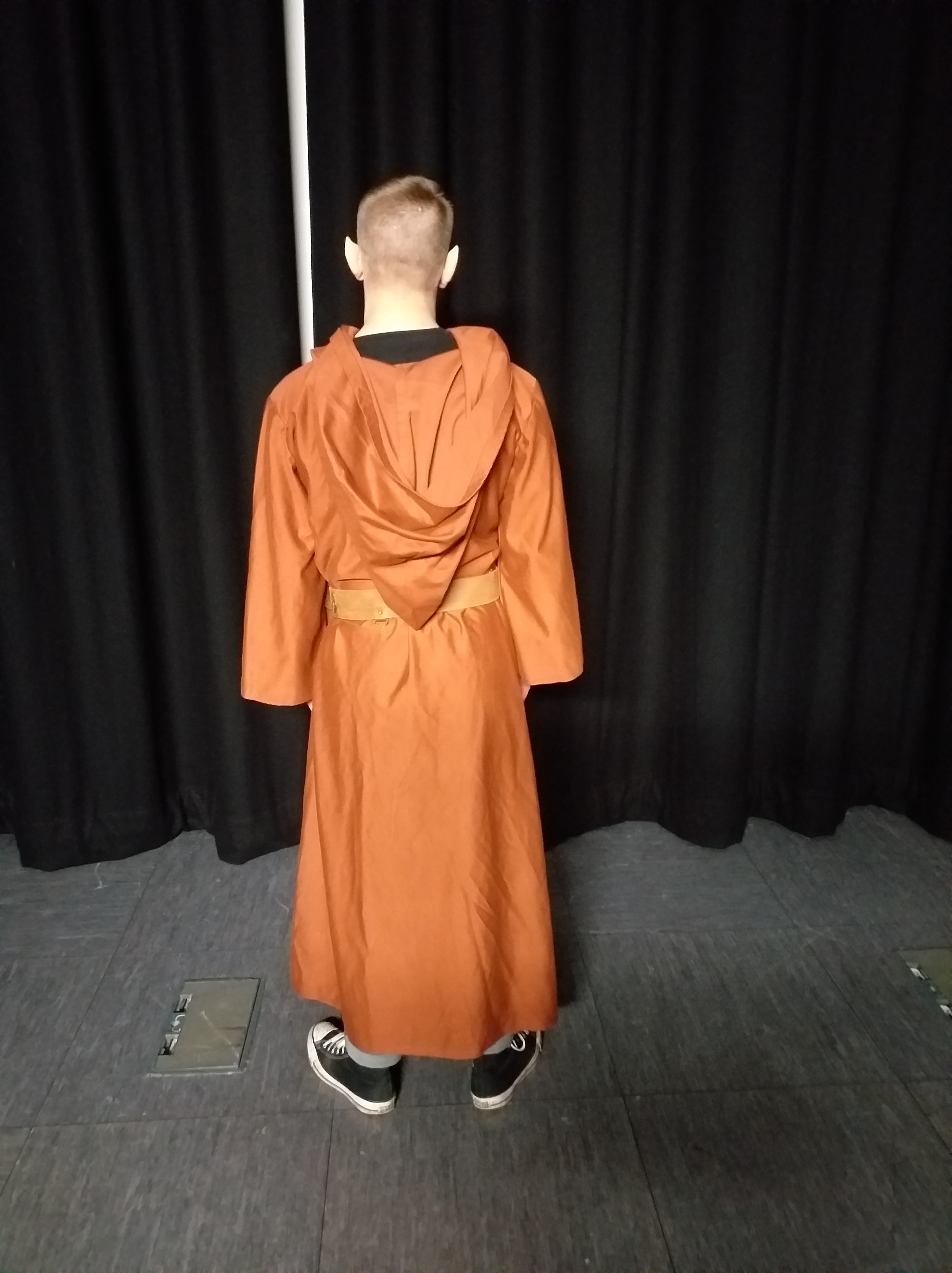
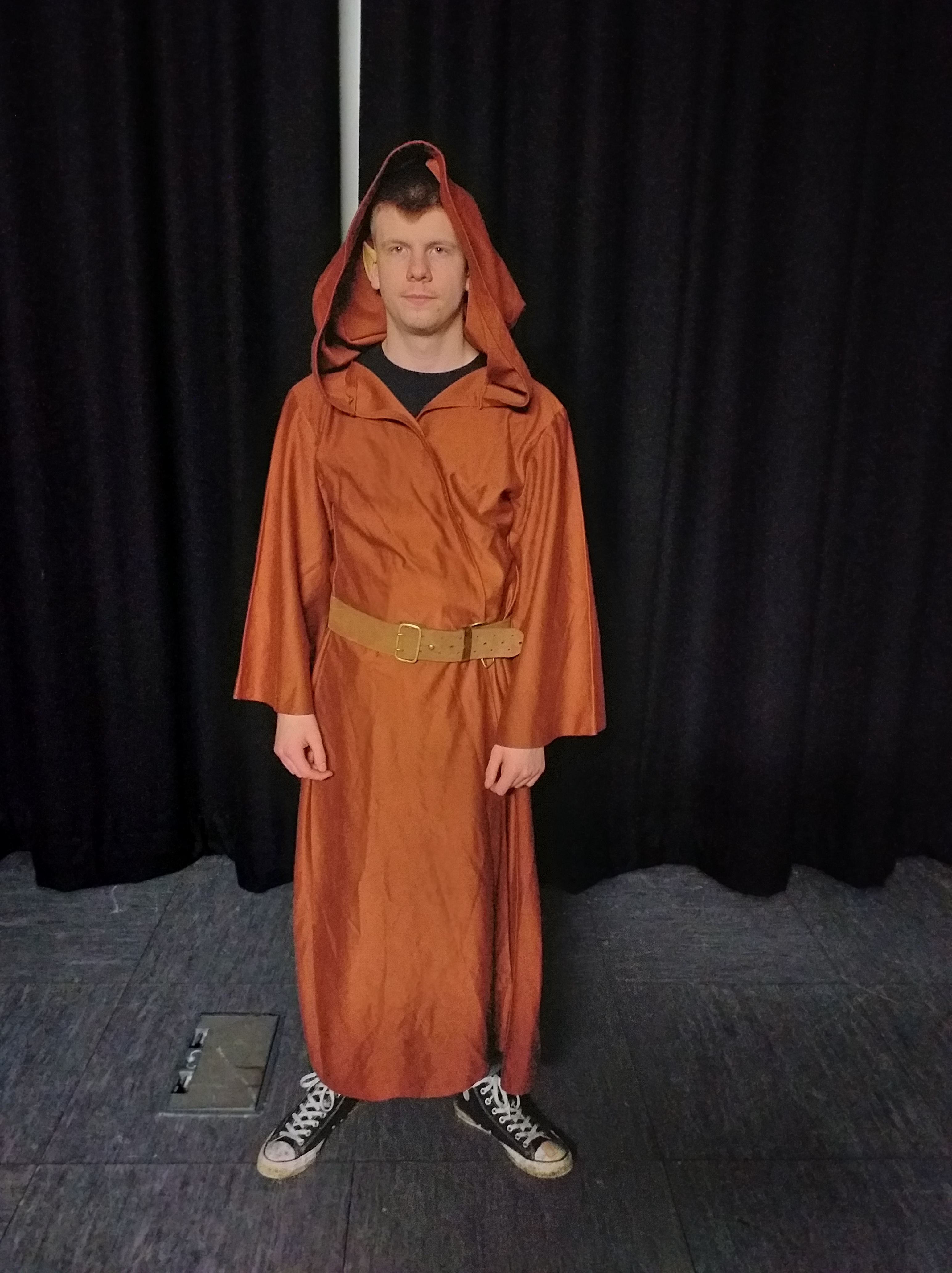
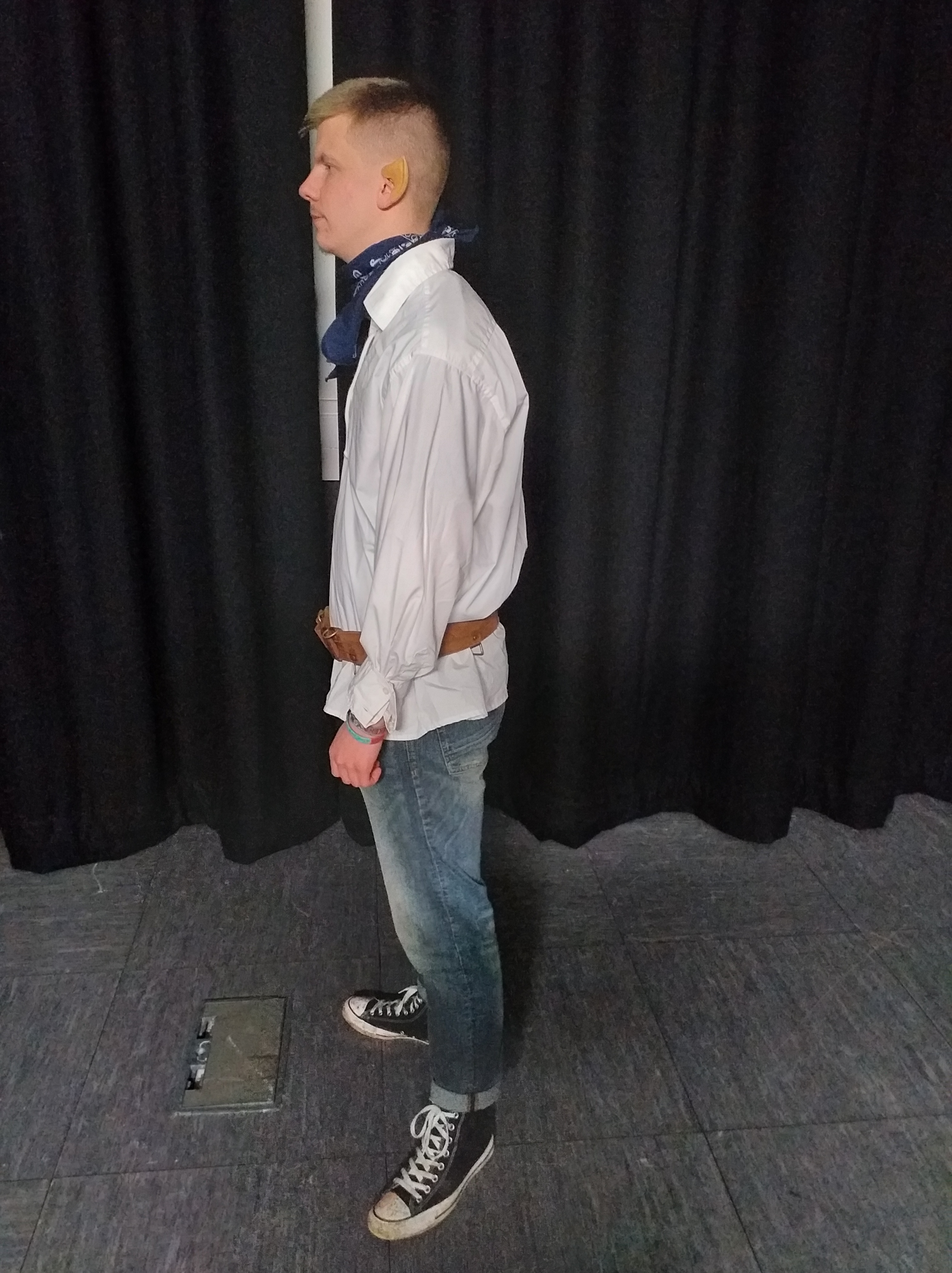
I took a second set of pictures with a different model, to see if I could use the same type of designs for multiple characters. I also added some prosthetic ears to the costume, as my second model could potentially look like an elf.

Although I used the same costumes for all of my character archetypes, the different models wore them quite differently. The Elf Warrior designs look markedly different to the earlier warrior concepts, probably due to the difference in body type. Because the leatehr jerkin that I was using had a hood on it, I decided to use it for the Elf Warrior. It looks quite appropriate, although in quite a few of these images, the lighting could be significantly better.

I added a belt to the rogue outfit the second time round, and it actually fits with the rest of the costume. The neckscarf looks more comfortable here as well, as the fencing shirt that this costume uses works better with a leaner body type. Aside from those points, the costume looked good, both on the first and second times; although it is a bit anachronistic to the golden age of piracy, it could do for a kind of “noble” rogue, such as a runaway prince or princess. I would have loved to use the boots I had for this costume, but they didn’t fit either of the models.

Now on this one, the lighting really let me down. Whilst the robe worked better with the belt instead of the red cloth, it still didn’t look quite right. For an elf, it should probably be more green or blue, but the brown doesn’t look too out of place. Some of the shots are in absolutely terrible light exposure, as the camera I was using decided to try and be clever on me, without much success. The 3/4 view of the elf priest without the hood looks particularly bad, as it removes most of the saturation from the costume.

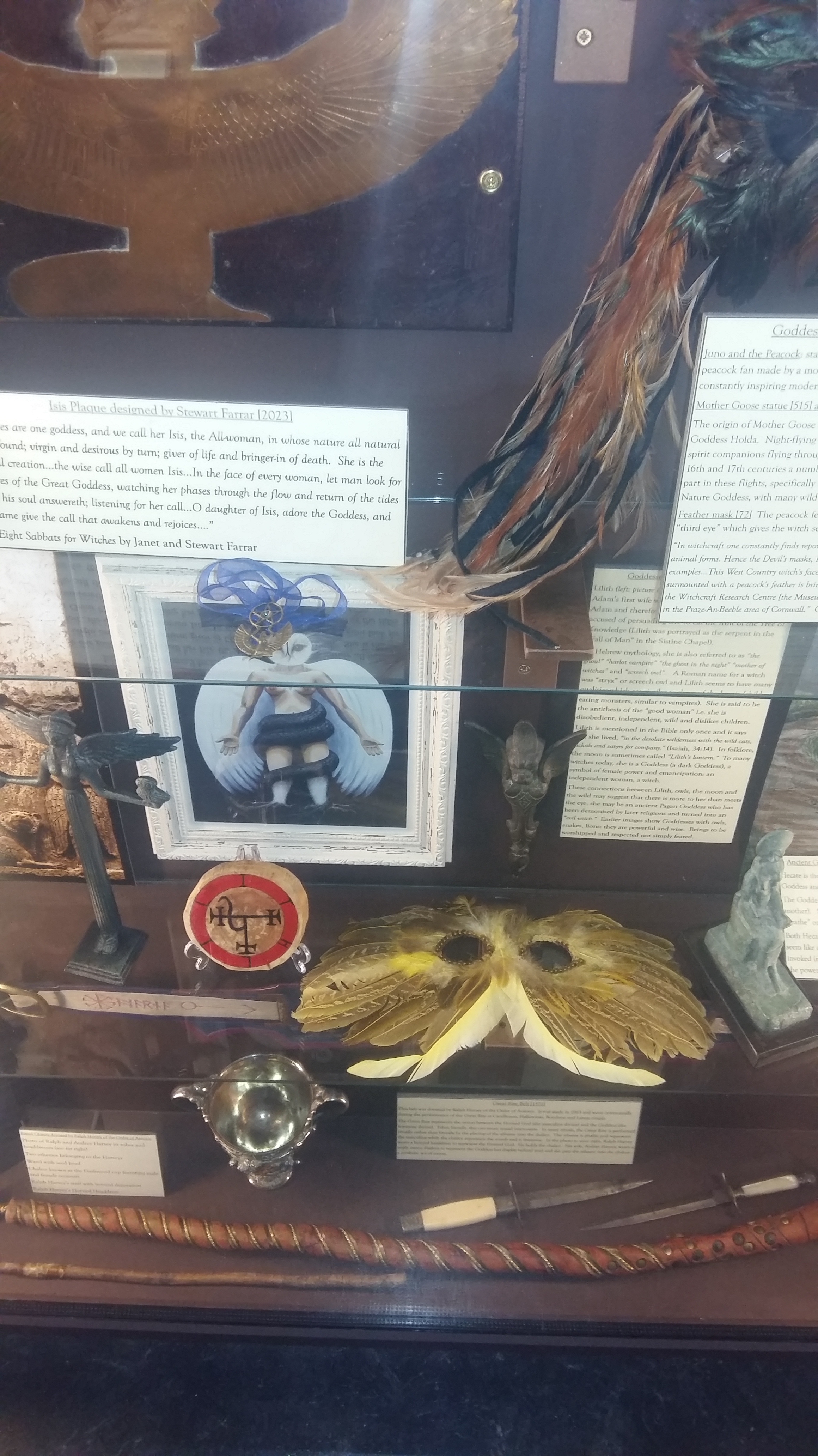
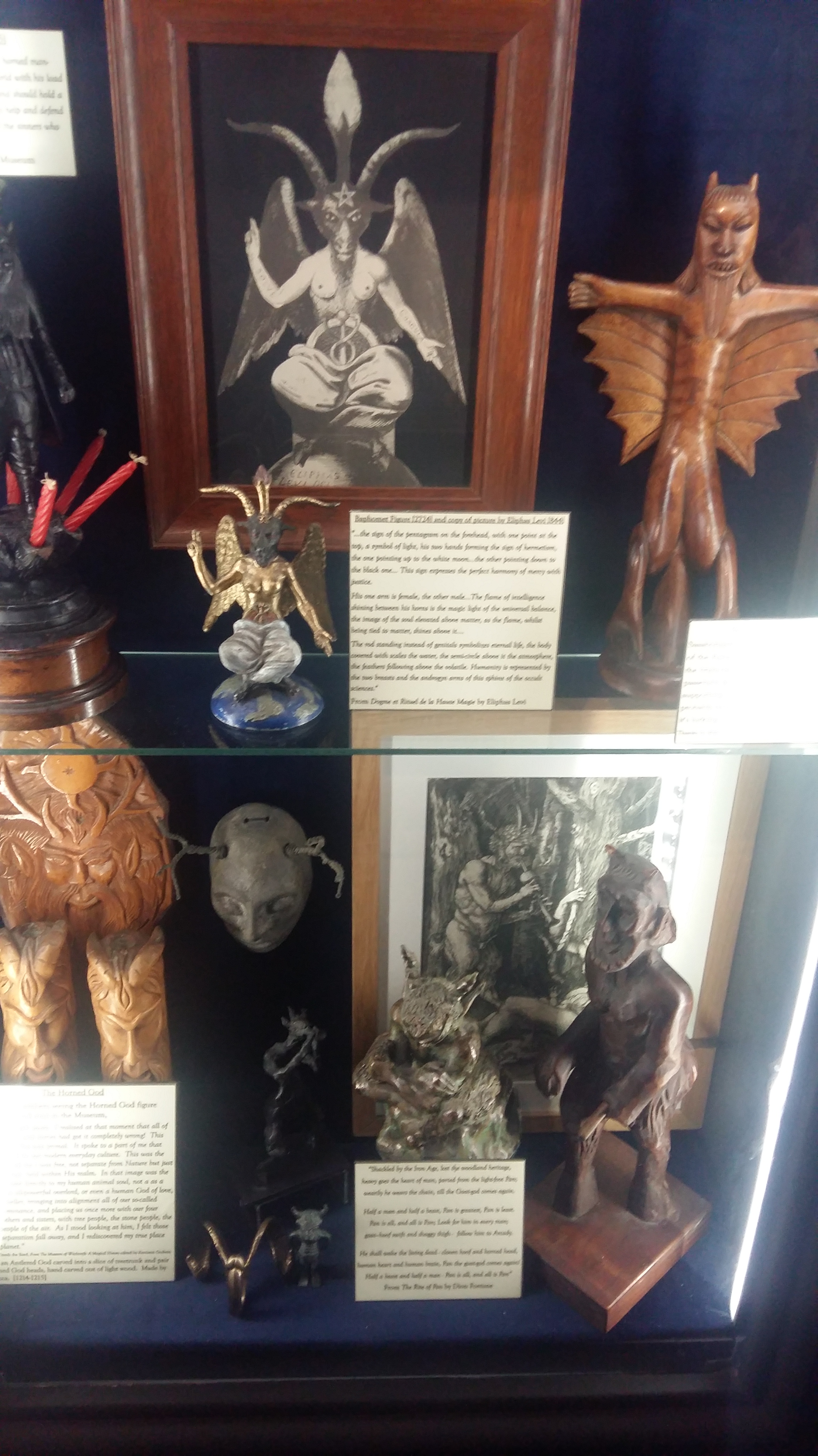
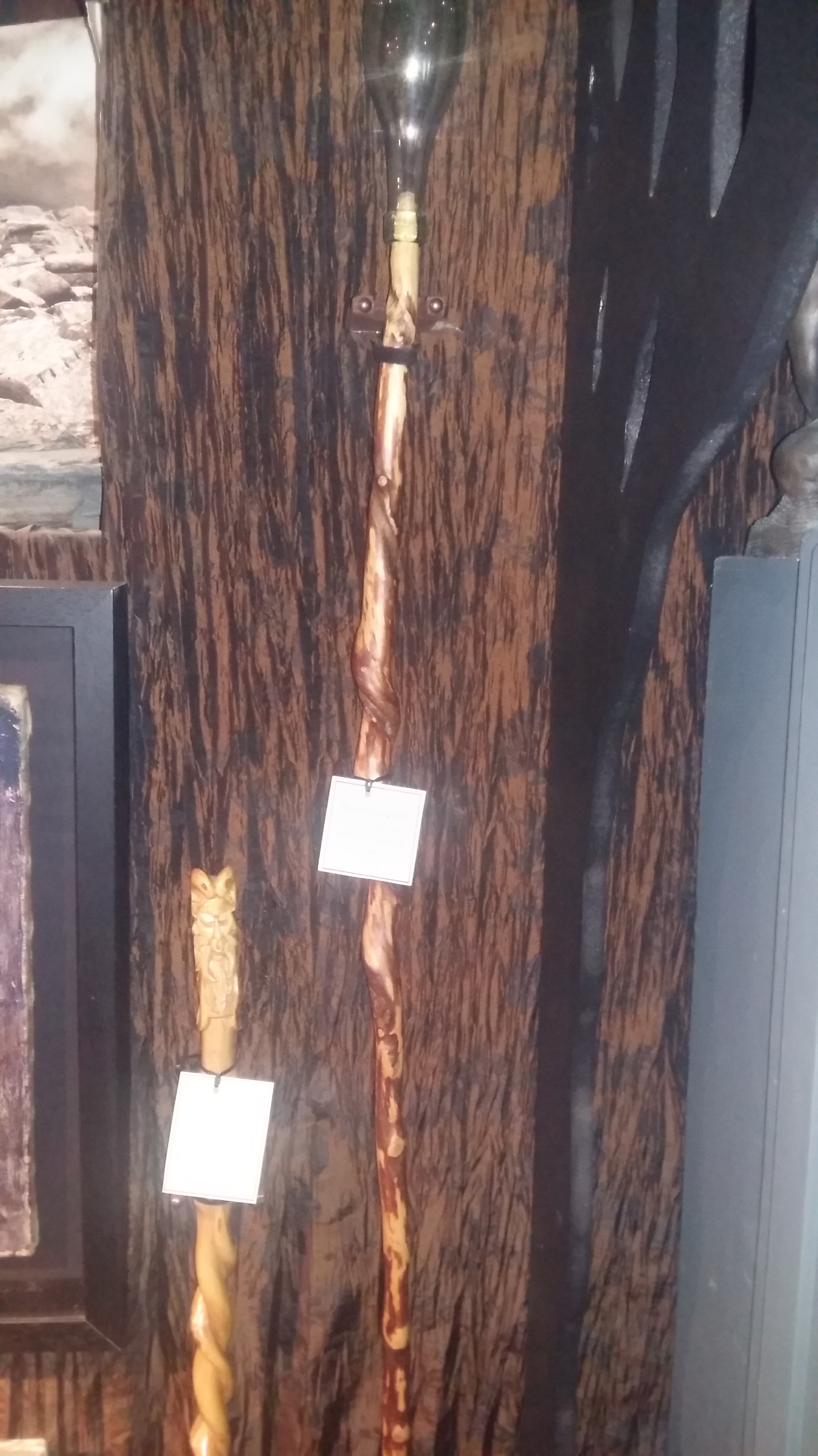
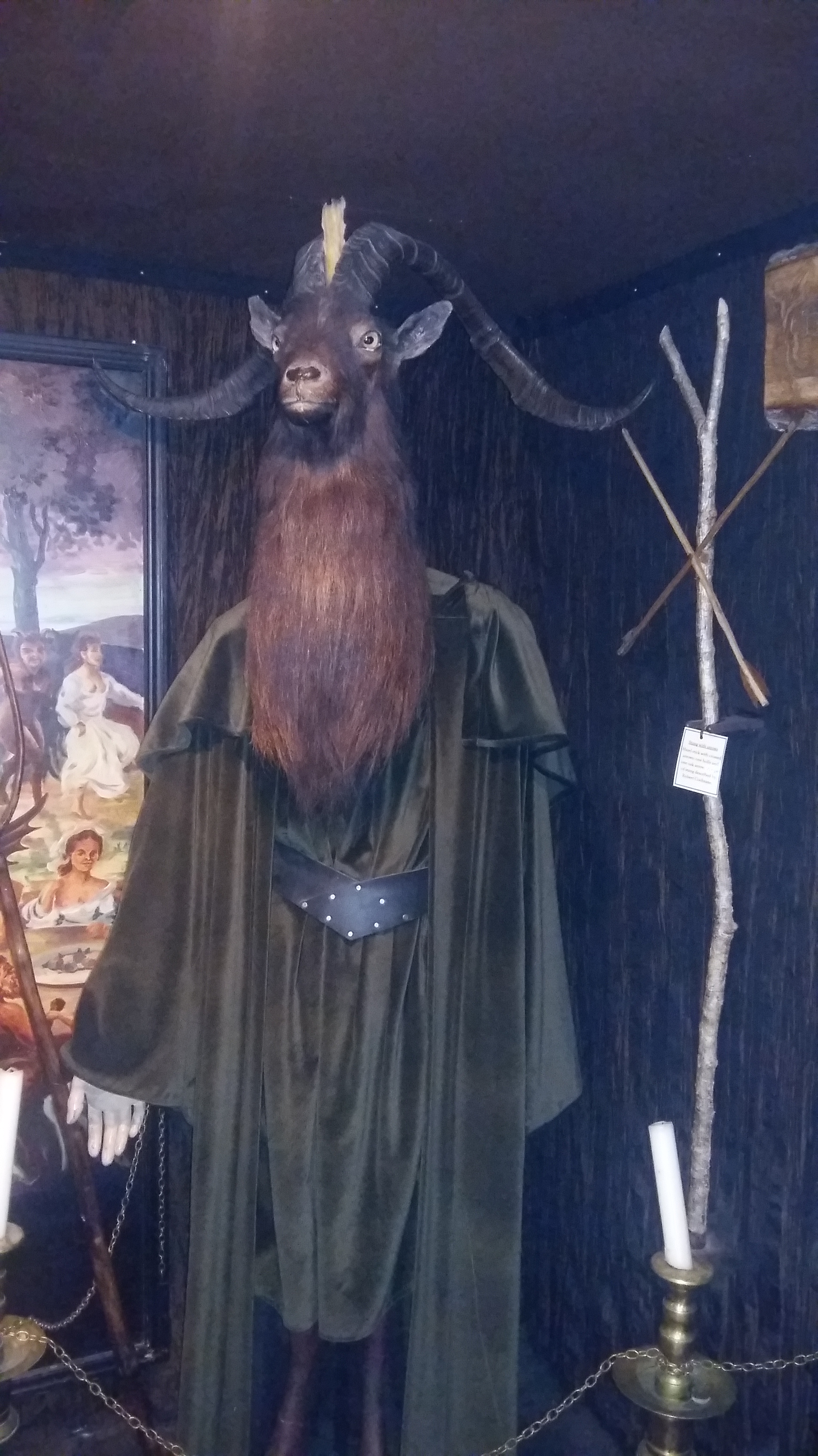
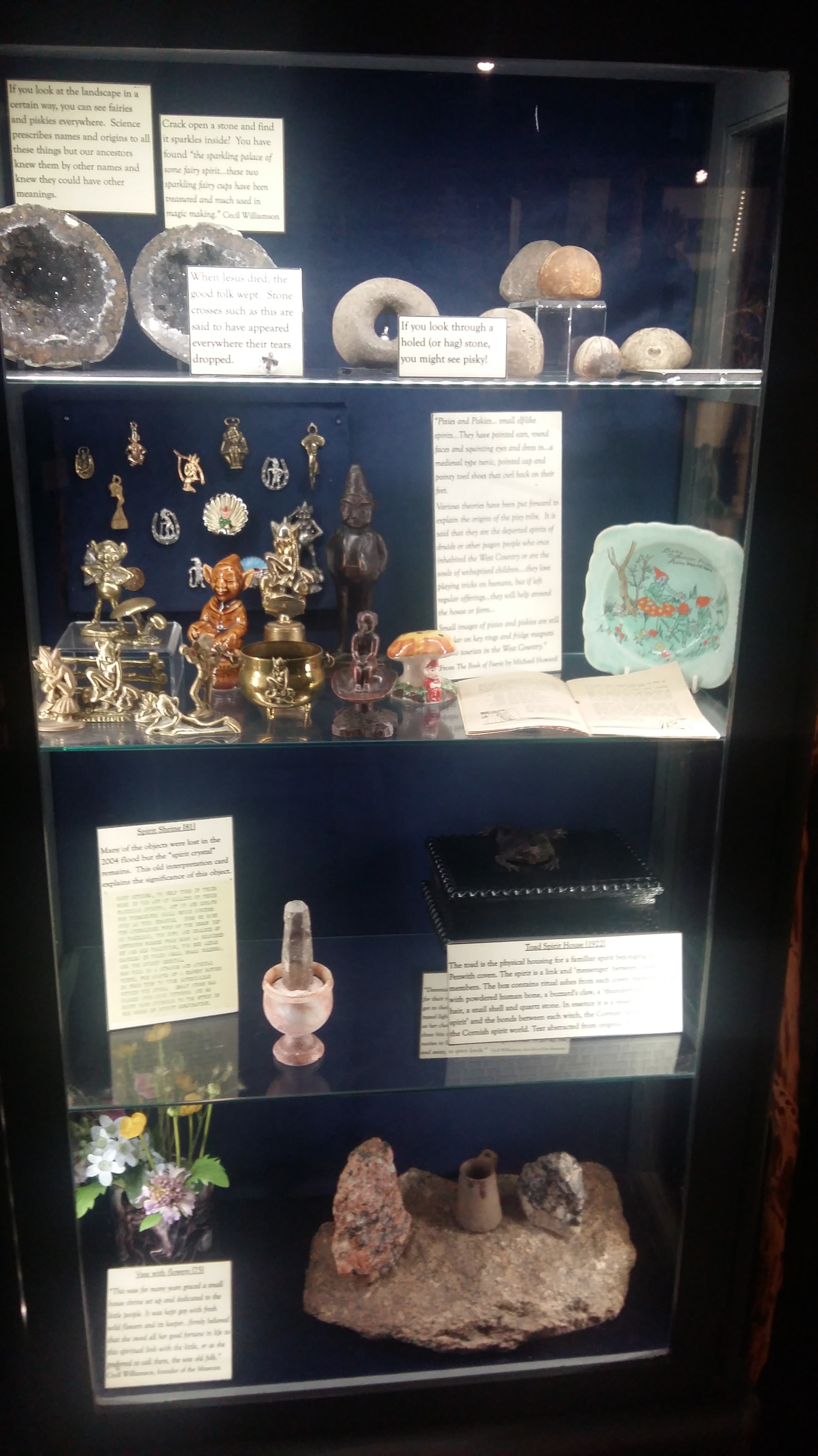
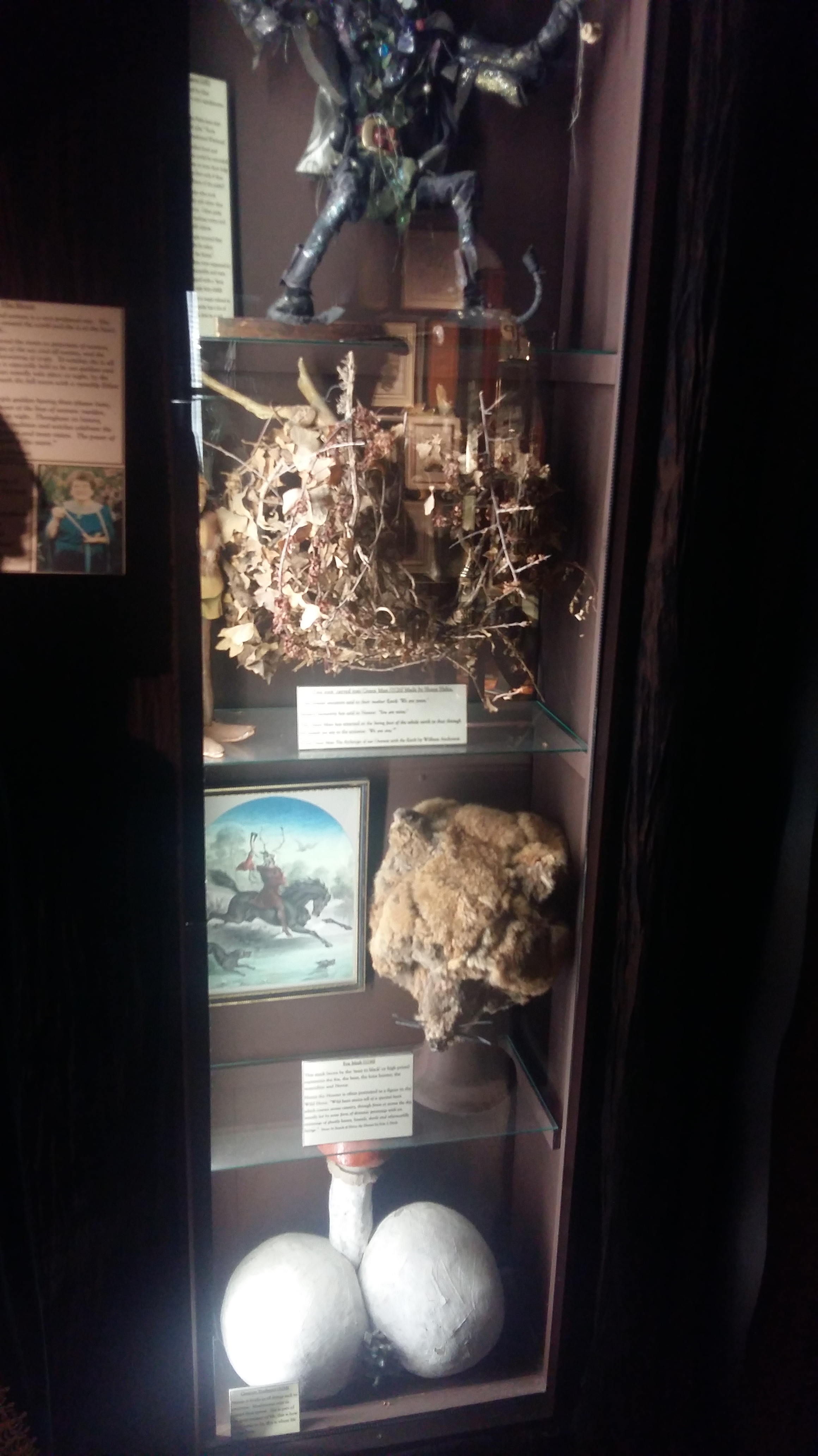
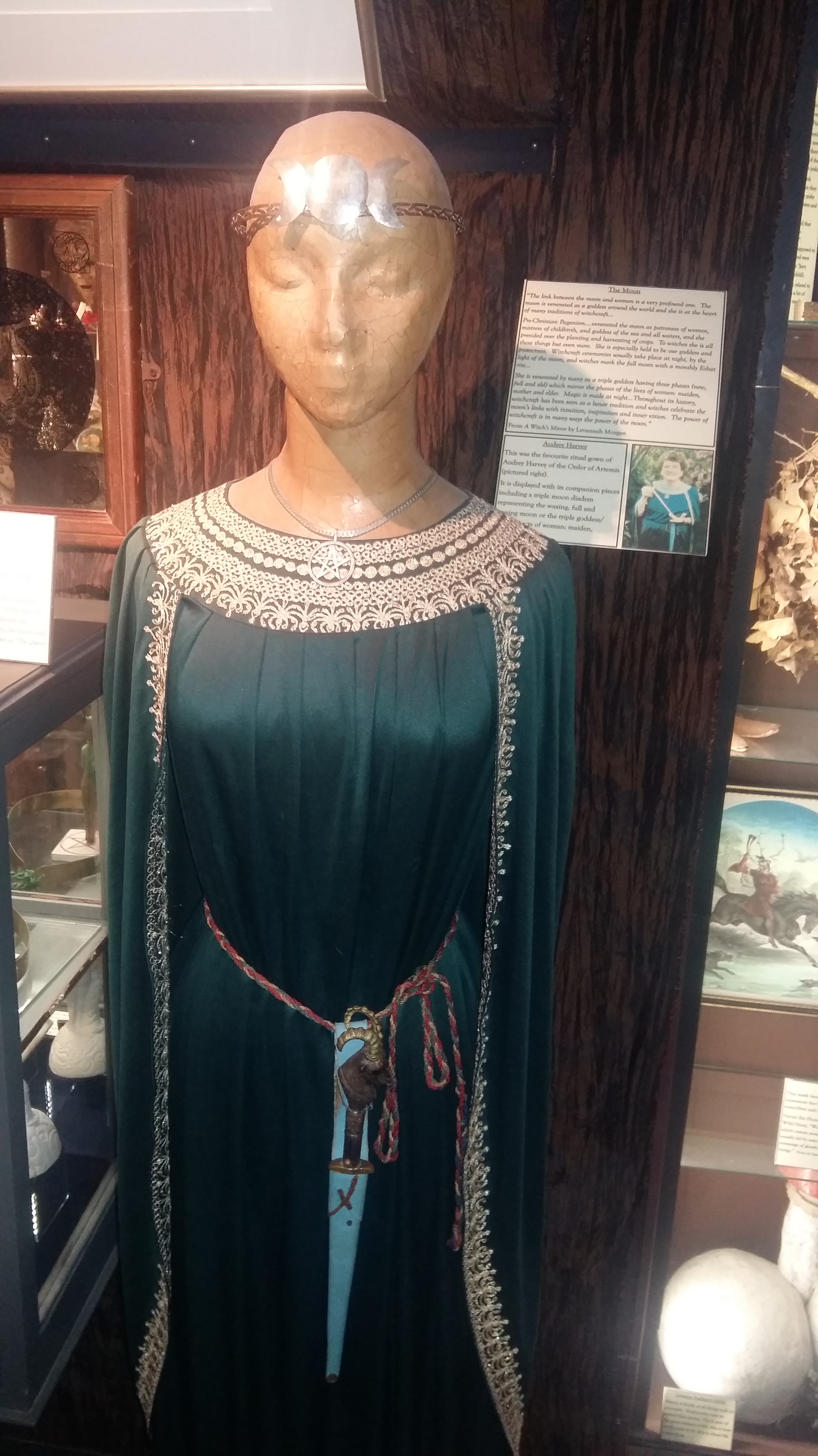
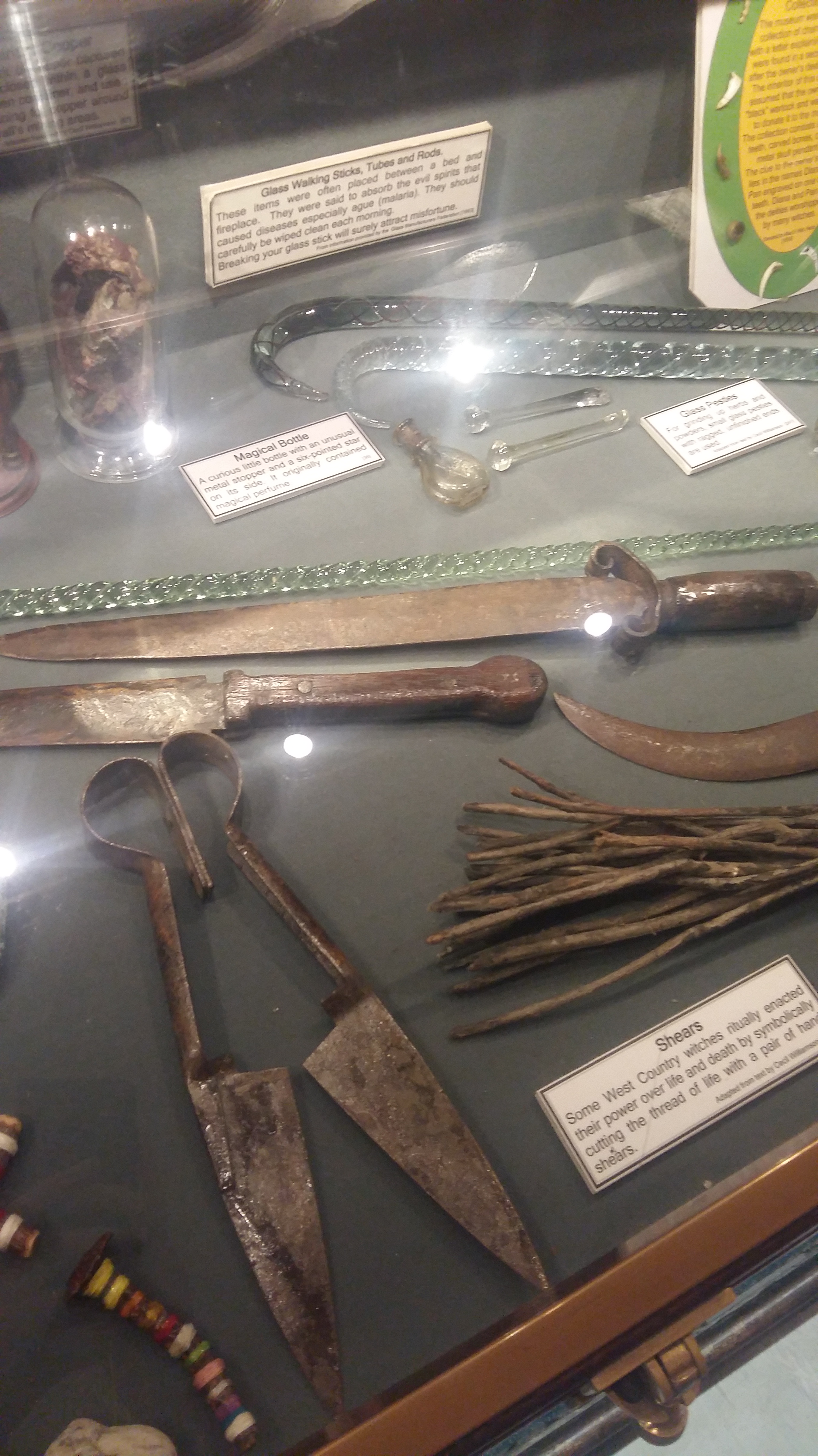
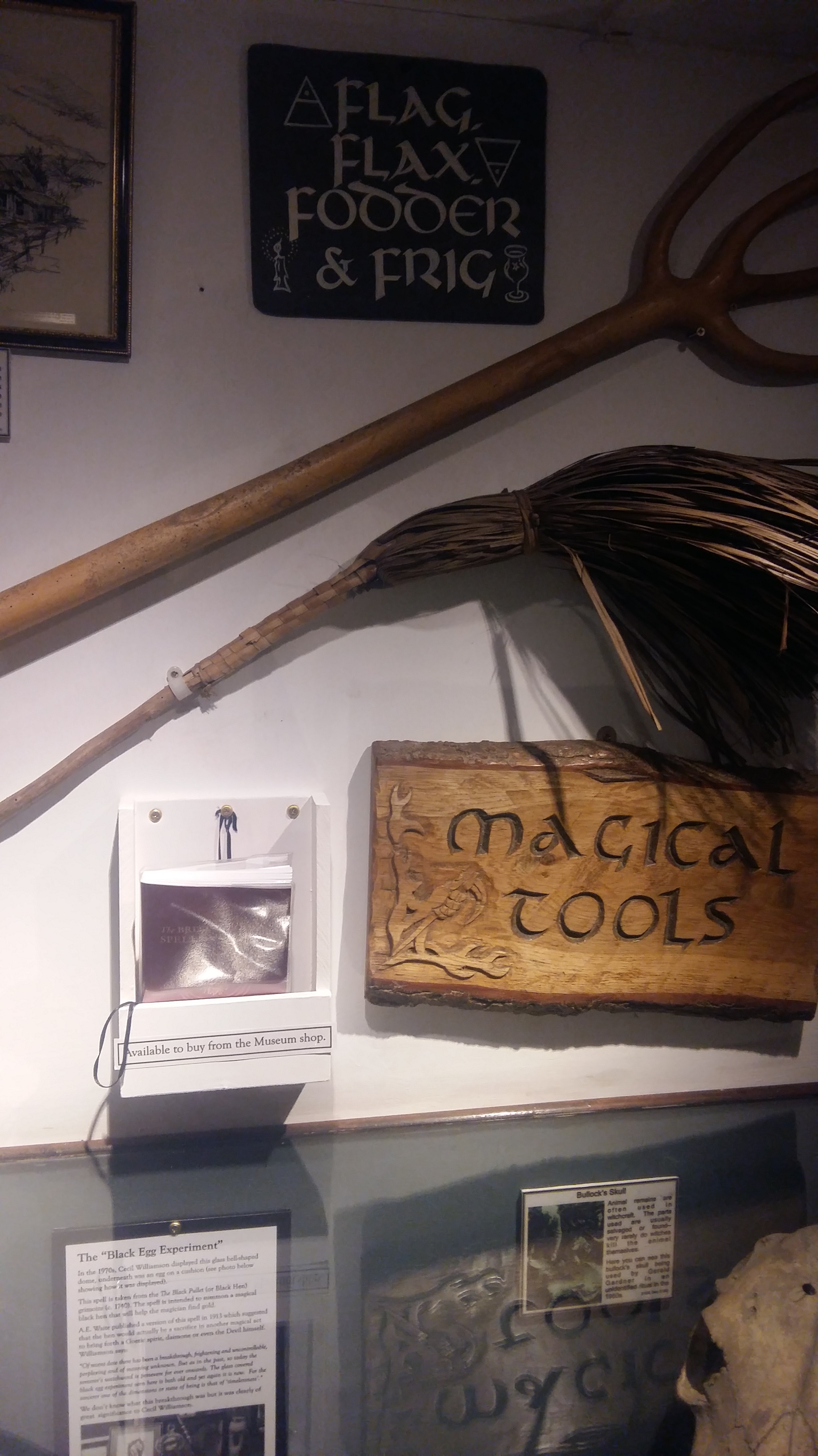
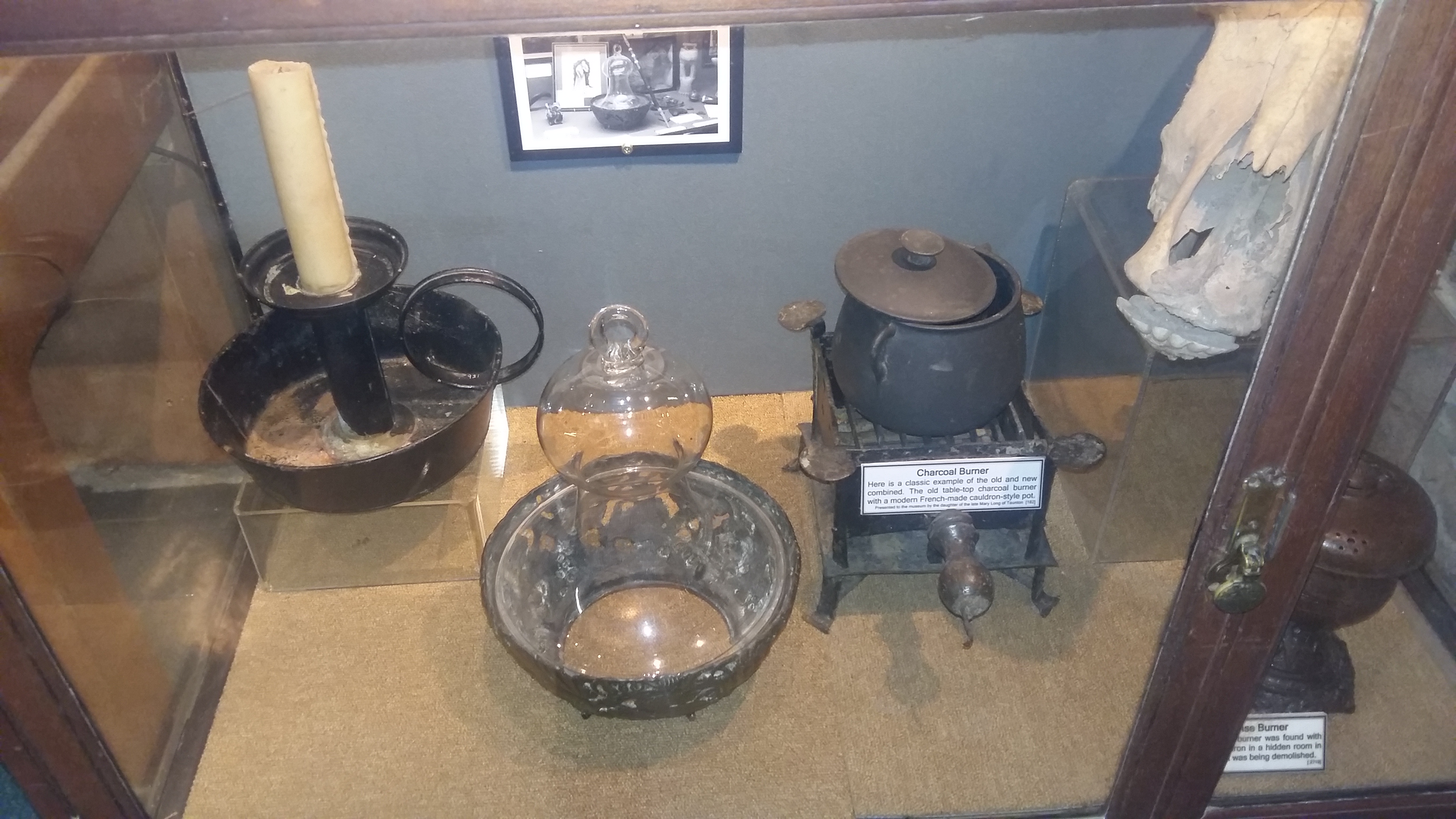
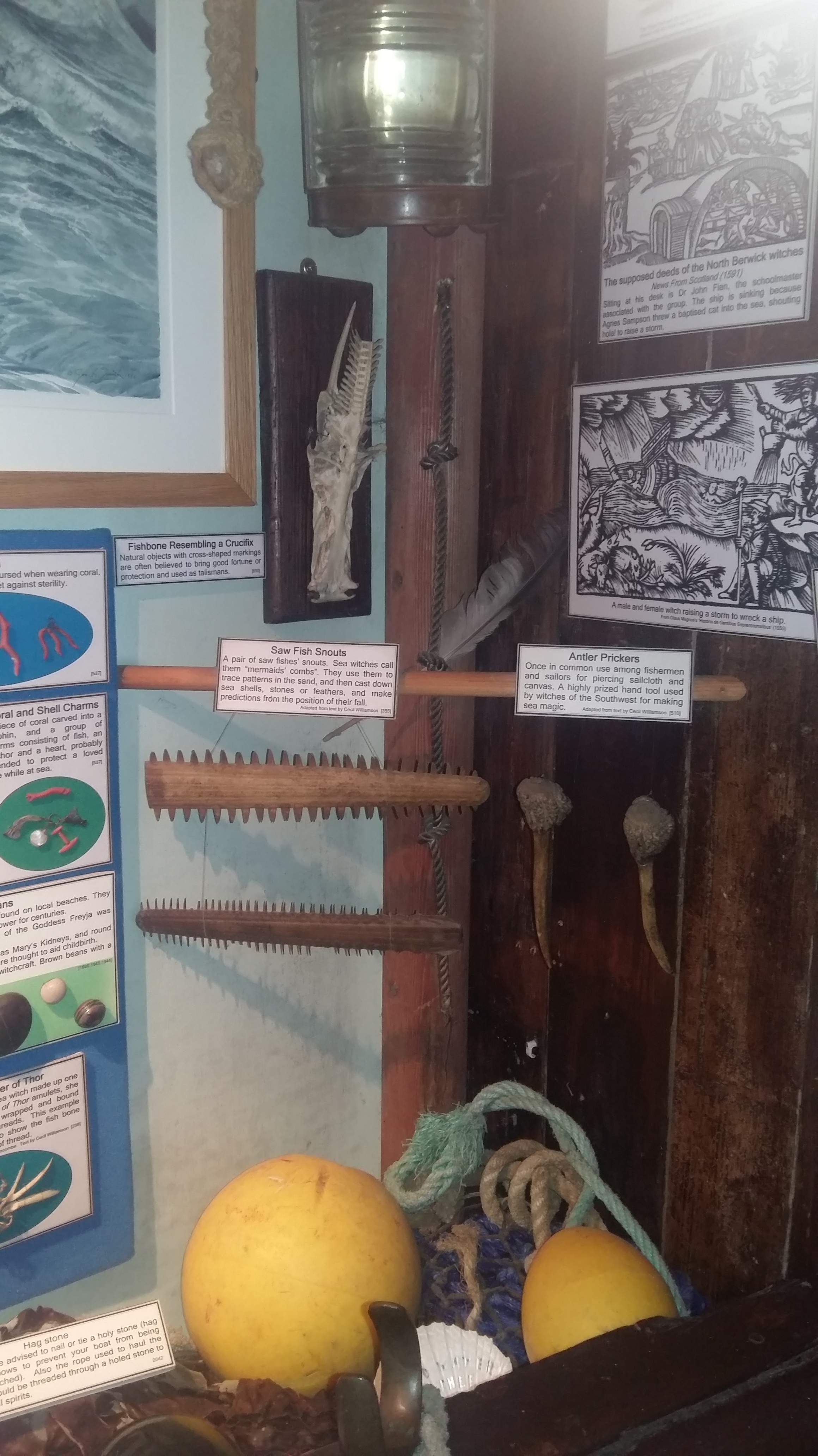
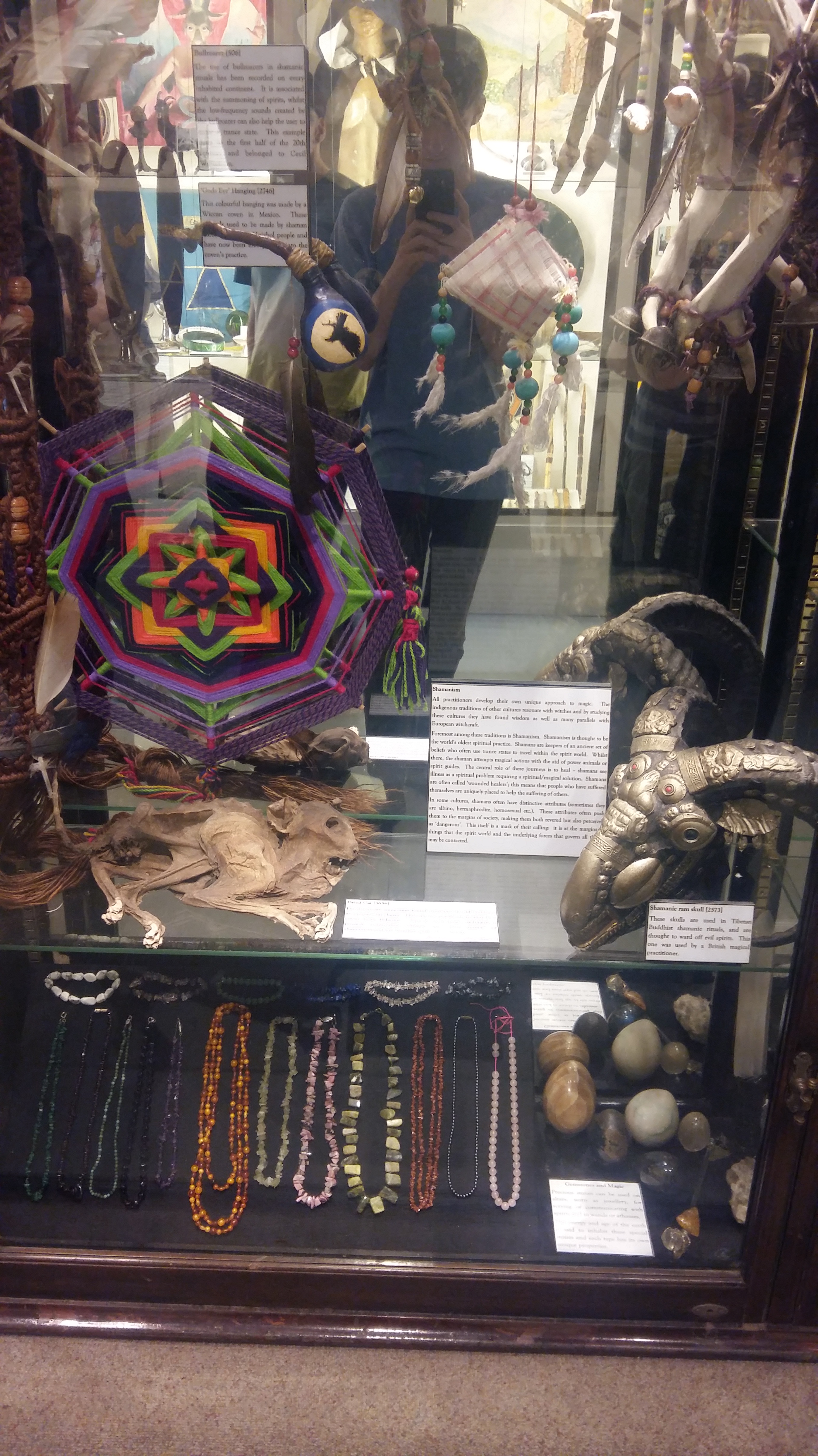
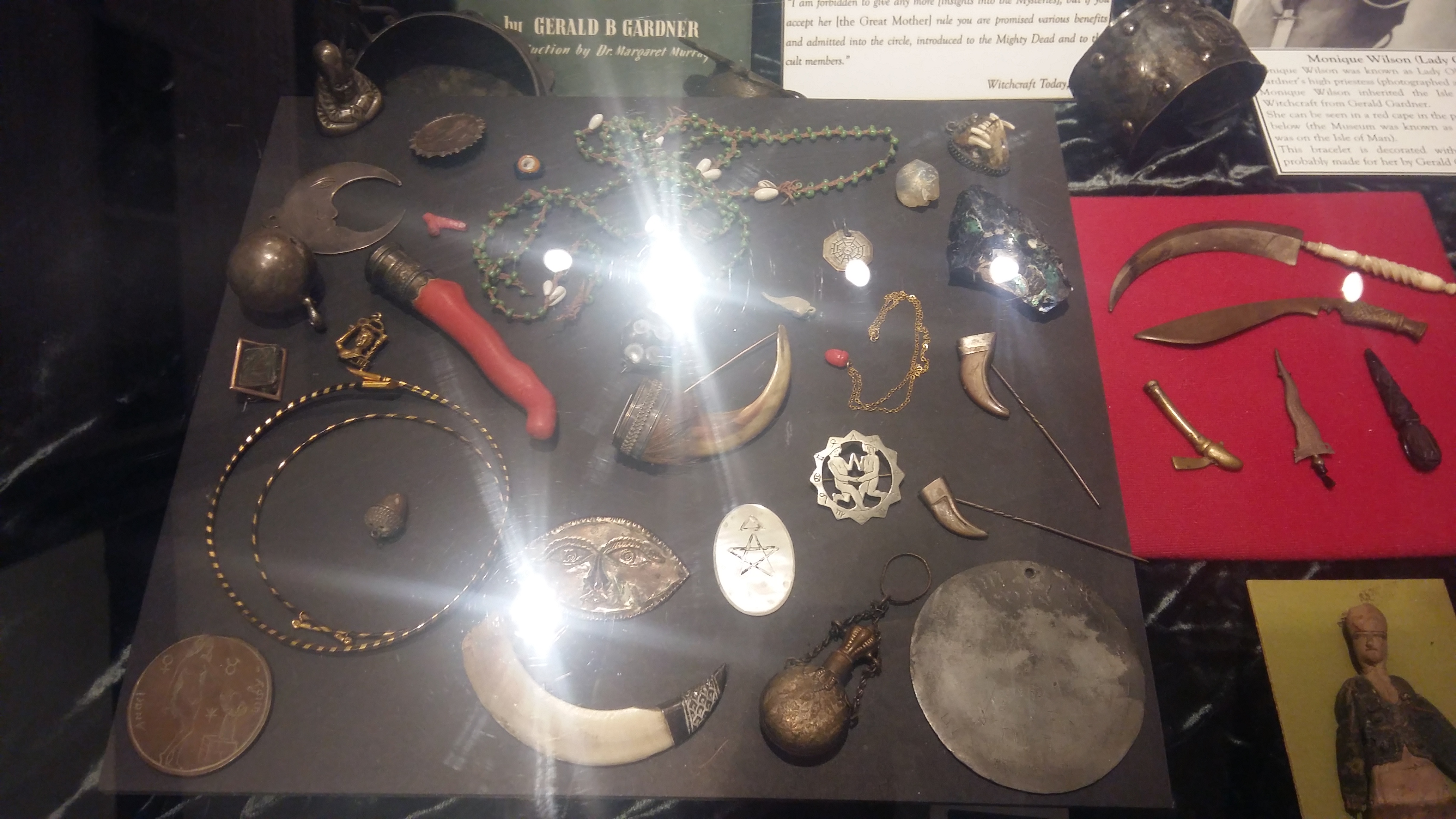
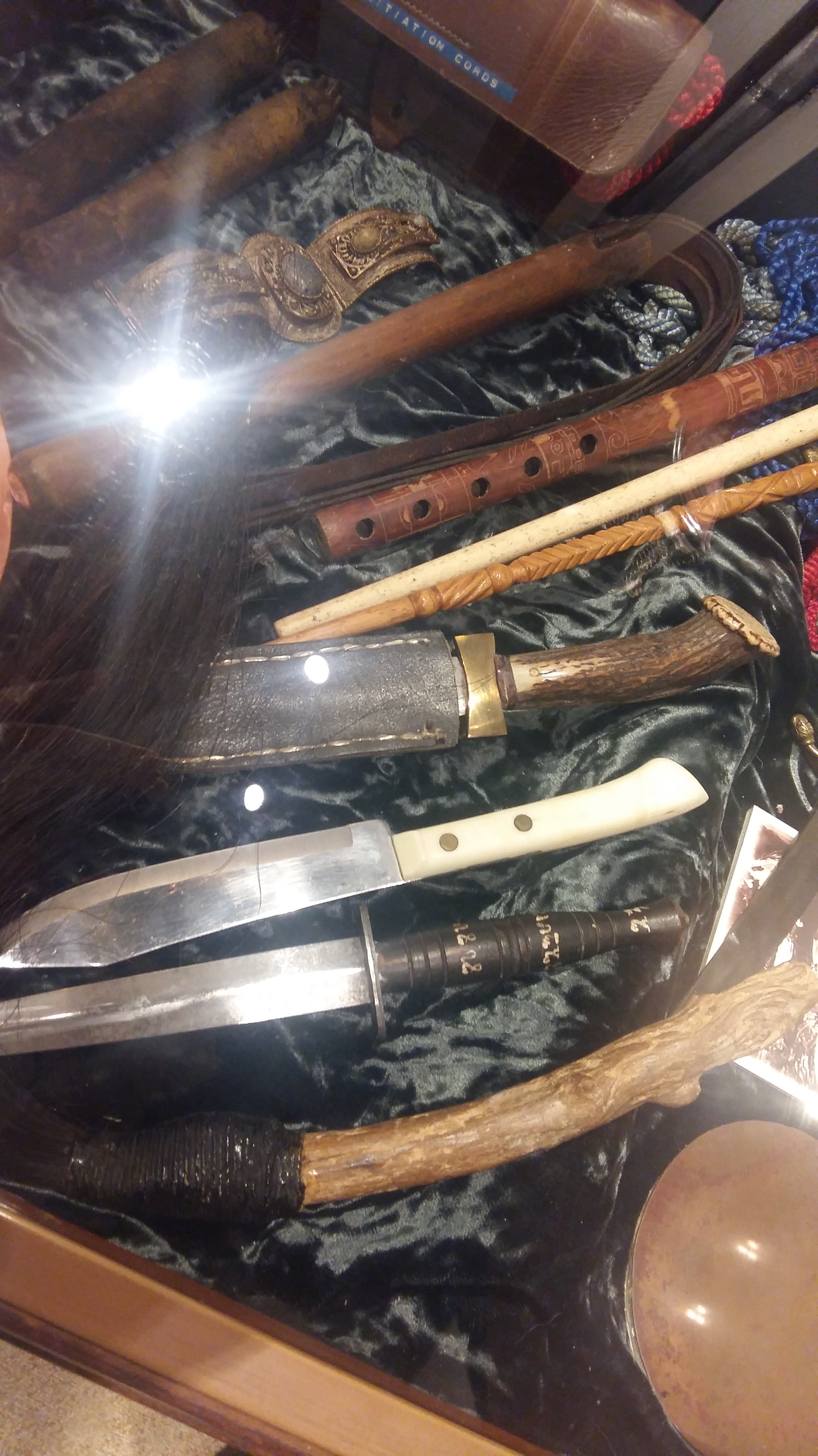
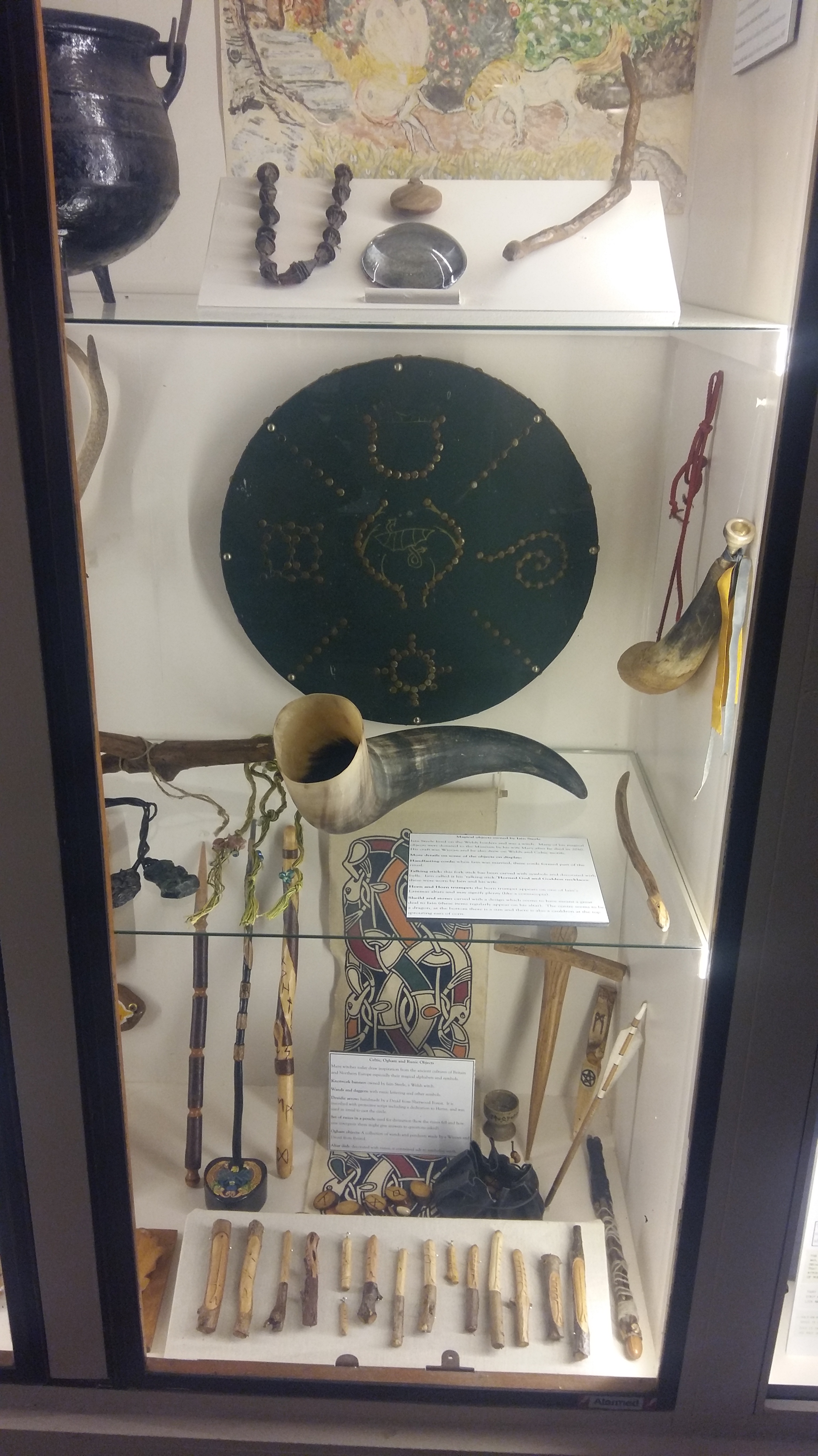
Now, as I said earlier, I didn’t have anything I could use for a Sorcerer. However, during the summer last year, I went to Cornwall, and visited the museum of Witchcraft. I have some pictures that I could draw from for a magic-using character:

Historically, magic took time to cast, as well as certain tools and symbols. In gaming, magic is a far more instant affair, but I could still use these as inspiration for some flavourful magic. One of my pet peeves is when writers and developers don’t fully utilise options and ideas to make the setting more immersive. Hopefully, I should be able to avoid that mistake.

So there we have it, a full set of ideas and character designs (minus weapons). I’m proably going to look at equivalent ideas from other JRPG’s, to see what theyve done, and what I could potentially use. This should lead on to some properly develped conceptual ideas, and even some assets! So until then, I’ll see you later!

Bibliography:

Museum of Witchcraft and Magic. (2019). Home – Museum of Witchcraft and Magic. [online] Available at: https://museumofwitchcraftandmagic.co.uk/ [Accessed 20 Mar. 2019].
Mood Boards

Over the last few weeks, I’ve been using Pinterest to put together a collection of mood boards on 16-bit and 32-bit art and games. I’m hoping to use them to give me some ideas on how I want my own project to look, as well as if they can provide any additional inspiration. Here are the links to the boards:

Hopefully these should see some use! I’ll be back soon with something interesting!

Medieval Armour Research

I’ve been looking into various medieval armour types, using some of the books I had at home (some of them are older than my parents!). I decided against writing a long-winded essay, as it would get really boring really quickly, so I did a list of important facts:

  • Used as both practical protection and a symbol of chivalry, knightly virtue, and military prowess
  • Early armour designs utilised more chainmail and leather-based construction, while later designs became more focused on plate-mail designs
  • Common armour materials included metal rings, cuirbouilli (leather treated with hot wax), and interlocking metal plates
  • Heraldry was commonly displayed on flat surfaces such as helmets and shields; heraldic art became more complex in the later centuries
  • Knightly armour worked as follows:
    • First, there are the wearer’s undergarments
    • Then goes the cuirbouilli leather (used to prevent chafing)
    • Then the chainmail, which can be worn as is, and the knight would wear a surcoat with their heraldic designs emblazoned or embroidered on to it
    • After that, the plate mail armour was worn over the top
  • Helmets initially were made out of singular metal pieces, and later became more complex constructions. Several of the most recognisable helmet designs were the great helm (as worn by the Black Knight in Monty Python and the Holy Grail, and the nasal basonet worn by Gondorian soldiers in the movie adaptation of The Lord of the Rings: Return of the King)

Hopefully this should be helpful, and could possibly influence my choice of character designs.

Bibliography:

Wilkinson, F. (1971). Arms and Armour, illustrated by John H. Batchelor & Arthur Gay. Feltham: Hamlyn, pp.30 – 59.

European Armour. (1965). London: Her Majesty’s Stationary Office, pp.3 -12.

Project Plan

Week 1 (Week Beginning 11th March 2019)

Wednesday

  • Set up WordPress
  • Upload Pre-Production research
  • First Draft of Project Proposal
  • Begin planning

Thursday & Friday

  • Secondary research on Medieval history, and then utilising that research, make creative decisions on what ideas to use
  • Design a story framework, based upon the Medieval research and research on games and literature

Weekend

  • Visit sites such as Reigate Castle and Walton Manor, and take photos to provide context

Required Resources:

  • Internet Access
  • Computer/Laptop
  • Phone/Camera
  • Library Access

Week 2 (Week Beginning 18th March 2019)

Wednesday

  • Research and develop and audience profile
  • Research historical figures and literary characters
  • Research important battles of the medieval period
  • Research technology of the medieval period, including weaponry, armour, and siege engineering
  • Using the research, create mood boards to inform creative ideas and decisions
  • Begin conceptual environment design

Thursday

  • Continue research
  • Create basic storyboard

Friday

  • Research appropriate music
  • Fortnightly project evaluation

Weekend

  • Research PEGI and Copyright

Required Resources:

  • Internet Access
  • Computer/Laptop
  • Library Access
  • Paper and Art Supplies

Week 3 (Week Beginning 25th March 2019)

Wednesday, Thursday & Friday

  • Create Game Design Document using research and creative decisions
  • Research Licencing
  • Create Asset List
  • Create Project File

Required Resources:

  • Internet Access
  • Computer/Laptop
  • Library Access

Week 4 (Week Beginning 1st April 2019)

Wednesday & Thursday

  • Begin production, initially focusing on the environment

Friday

  • Continue production
  • Fortnightly project evaluation

Required Resources:

  • Internet Access
  • Computer/Laptop
  • Library Access

Easter Holidays (8th April 2019 – 21st April 2019)

When not working

  • Continue Production
  • Continue Research

Required Resources:

  • Internet Access
  • Computer/Laptop
  • Library Access

Week 5 (Week Beginning 22nd April 2019)

Wednesday & Thursday

  • Continue Production
  • Continue Research

Friday

  • Continue Production
  • Continue Research
  • Export Alpha Build
  • Fortnightly project evaluation

Required Resources:

  • Internet Access
  • Computer/Laptop
  • Library Access

Week 6 (Week Beginning 29th April 2019)

Wednesday, Thursday & Friday

  • Continue Production
  • Continue Research
  • Analyse and utilise feedback from Alpha Build Playtesters

Required Resources:

  • Internet Access
  • Computer/Laptop
  • Library Access

Week 7 (Week Beginning 6th May 2019)

Wednesday & Thursday

  • Continue Production
  • Continue Research

Friday

  • Continue Production
  • Continue Research
  • Export Second Alpha Build
  • Fortnightly project evaluation

Required Resources:

  • Internet Access
  • Computer/Laptop
  • Library Access

Week 8 (Week Beginning 13th May 2019)

Wednesday, Thursday & Friday

  • Continue Production
  • Continue Research
  • Analyse and utilise feedback from Second Alpha Build Playtesters

Required Resources:

  • Internet Access
  • Computer/Laptop
  • Library Access

Week 9 (Week Beginning 20th May 2019)

FINAL EXPORT

END OF PROJECT REVIEW

PROJECT PRESENTATION

Project Proposal

Name: Stephan Liennard

Pathway: UAL Extended Diploma in Creative Media Production and Technology (Game Design) Level 3

Project Title: Final Major Project

Rationale:

Before I began attending college, I only had 4 GCSE’s (English, Maths, IT, and Art), and no prior experience with any professional media-related techniques, software, or equipment. Due to my low GCSE grades, I had to re-sit both my English and Maths exams, and because of this, it took me a while to progress onto the Level 2 Creative Media qualification.

I passed the Level 2 Creative Media course with Distinction and went on to the first year of the Level 3 Film & TV qualification; however, this turned out to be an area that I was particularly adept at. I subsequently transferred onto the first year of the Level 3 Game Design qualification, which I passed, and am now on the second year.

During my time on the various Media qualifications, I learned some of the professional skills that I lacked when I left school, such as Adobe Photoshop, Adobe Premier Pro, and Logic Pro X. I began privately experimenting with a game design software called “RPG Maker MV”, which I used to obtain my Distinction from the Level 2 qualification.

Whilst on the Game Design course, I learned the basics of another game design software called “Unity”, however I have had extreme difficulty in actually utilising it. I have also had difficulty learning the specifics of any programming language; although I understand the basic concepts, the specific languages are area that I have had no success in comprehending.

I have also had increasing difficulty in organising and planning my projects and ideas, due to an overabundance of ideas and thought processes.

Project Concept:

Based on my Pre-Production research, the aim of the project is to create a Japanese-style Role-playing Game inspired by games such as Final Fantasy, Dragon Quest, and Fire Emblem. I am intending to use a 2D 16-Bit Pixel Art style, reminiscent of games released during the 1990’s and early 2000’s. Typically, JRPG’s have complex plots of epic proportions, so I intend to create a demo of my game, which will consist of the beginning of the story. I am also planning on using a medieval-inspired fantasy setting for this project, which is a standard trope of the RPG genre as a whole. Although there are common conventions in the JRPG genre, I will also be adding some additional features, such as a custom battle system.

I’ll be looking at historical sources on medieval history, as well as fantasy literature and other RPG’s to provide context for this project. There will also be visits to appropriate medieval sites such as castles, to provide visual and contextual references. I will also need to perform an audience profile, to identify my target demographic. For all of my research, I will be using a wide variety of secondary research media, such as books, podcasts, videos, and games. I will also be using various primary research methodologies and techniques, such as surveys, focus groups, and interviews.

The three phases of this project are Pre-Production, Production, and Post-Production. In the Pre-Production phase, I will be compiling my research and using that to create a variety of material on how I’m going to create my game, and what I’m going to include or exclude from the project. During the Production phase of the project, I will actually be creating and modifying assets, as well as developing the playable section of the game. Once I have completed the Production stage, I can move onto Post-Production, during which I’ll be finalising the demo and creating the exported version ready to be presented.

Evaluation:

During this project, I shall be using WordPress to document the development of my project, using detailed explanations reinforced using images and screenshots. I will be critically evaluating the ongoing project work, as well as reflecting on the work that I have done, including any creative decisions or development problems, using the feedback from tutors, peers, and friends.

There will also be a fortnightly review of the entire project and comparing it to the initial concept statement that I outlined in the project proposal. At the end of the project, there will be a project presentation, which will lead into a final project evaluation.

Proposed Research Sources:

Square-enix-games.com (2019). SQUARE ENIXGames. [online] Available at: https://square-enix-games.com/en_GB/games [Accessed 14 Mar. 2019].
Store.steampowered.com. (2019). Browsing JRPG. [online] Available at: https://store.steampowered.com/tags/en/JRPG/ [Accessed 14 Mar. 2019].